How historical sites in New Orleans shape your hotel choice
Choosing where to stay in New Orleans is easier when you anchor your plans around the most meaningful historical sites in New Orleans. If you understand how each historic district connects to the city’s story, you can select a hotel that shortens every walking tour and maximises your time. For history lovers who want to learn in depth, location is not a luxury; it is the difference between a rushed taxi ride and an evening stroll past a quiet house with gas lamps and distant music.
Many visitors focus only on the French Quarter, yet the wider New Orleans historic landscape stretches from the Mississippi River levees to the oak-lined streets of the Garden District. When you map the main religious sites, every major museum address, and the most atmospheric bars with live music, clear lodging patterns emerge around the French Quarter, the Central Business District, and the Garden District. Each area offers a distinct view of New Orleans history, and your hotel choice should reflect whether you prefer colonial streets, grand nineteenth-century avenues, or waterfront access to the Mississippi River.
If your priority is to visit several history museum collections in a single day, staying near the French Quarter or the adjacent Warehouse District keeps you within a few hundred metres of key venues. Travellers who want quieter nights after long walking tours often favour the Garden District, where historic New Orleans mansions sit behind iron fences yet the St. Charles Avenue streetcar links directly back to the city centre. Guests planning early morning departures to Chalmette Battlefield or Jean Lafitte National Historical Park and Preserve often choose hotels near the riverfront, where tour companies and local operators frequently arrange pick-ups.
Staying near the French Quarter and Jackson Square landmarks
The French Quarter is the most famous of all historical sites in New Orleans, and it remains the obvious base for travellers who want to step outside their hotel and feel the city’s history underfoot. Around Jackson Square, the triple spires of St. Louis Cathedral dominate the skyline, and this landmark church anchors one of the most important religious sites in the entire Mississippi River valley. From many nearby hotel rooms, such as those facing Decatur Street, you can view the cathedral roofline, then walk a few minutes to cafés, a bar with traditional jazz, or a small museum dedicated to local art.
On the same square, the Cabildo and the Presbytère function as a combined history museum complex that traces the French, Spanish, and American phases of New Orleans governance. These institutions are ideal for visitors who want to learn background stories before joining more specialised walking tours through the surrounding streets. For history lovers, staying within this compact quarter means you can visit one museum in the morning, enjoy live music and a leisurely lunch, then join an evening walking tour without ever needing a car.
A short stroll away, the Old Ursuline Convent Museum stands as one of the oldest buildings in the Mississippi River valley and offers a quieter, more contemplative side of historic New Orleans. Guests based in the French Quarter can easily include this house museum on a self-guided walking route that also passes small chapels and other religious sites. If you prefer structured experiences, many walking tours and curated New Orleans packages start from central meeting points near Jackson Square, so a nearby hotel lobby becomes your effortless launchpad.
Garden District elegance for architecture and cemetery history
Travellers who appreciate grand architecture often find that the Garden District offers the most graceful access to historical sites in New Orleans beyond the crowded core. This district developed as an American enclave outside the older French Quarter, and its wide streets, verandas, and manicured gardens tell a different chapter of New Orleans history. Staying here suits visitors who enjoy a quieter residential view of the city’s story, with easy streetcar connections back to the riverfront.
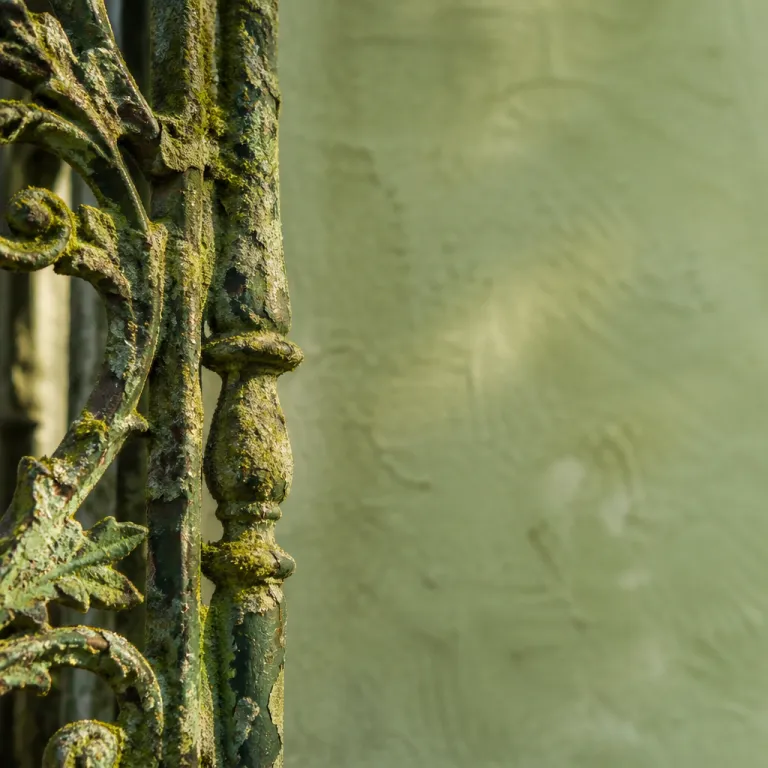
From a hotel along St. Charles Avenue, you can join a guided walking tour that winds past columned mansions, wrought-iron fences, and centuries-old oaks. Many of these walking tours highlight how New Orleans fortunes rose and fell with the Mississippi River trade, and they often include stops at Lafayette Cemetery No. 1 when access is permitted. For history lovers, this combination of house façades, cemetery symbolism, and stories of American experience in the nineteenth century offers a powerful way to learn while staying close to your room.
The Garden District also places you within a short ride of the National WWII Museum, one of the most significant museum institutions for understanding the broader American experience of conflict. This national museum is not only a history museum; it is a deeply immersive complex where exhibits, films, and oral histories bring global events into sharp focus. Guests who base themselves in this district can visit the museum during the day, return to their hotel to rest, then head by streetcar to the French Quarter for an evening bar with live music.
Key museums and collections that define historic Orleans
Several museums form the backbone of historical sites in New Orleans, and choosing a hotel near them can transform how you experience the city. The Historic New Orleans Collection, often referred to as the New Orleans Collection, operates multiple sites in the French Quarter that together preserve documents, artworks, and artefacts from every era of local history. Staying within walking distance allows you to visit one gallery in the morning, pause for lunch, then return to a different wing without feeling rushed.
The National WWII Museum stands in the Warehouse District and focuses on the American experience during World War II, making it essential for any visitor interested in global conflict and its local echoes. Its campus-style layout means you may want to split your visit across two days, so a nearby hotel in this district is a practical choice for serious history lovers. One of the most frequently cited descriptions from the site itself is that "The National WWII Museum focuses on the American experience during World War II."
Elsewhere, the Old Ursuline Convent Museum and the Cabildo function as complementary history museum venues that illuminate religious, civic, and colonial aspects of New Orleans development. When you stay near these institutions, you can easily join themed walking tours that connect museum galleries with streetscapes, churches, and riverfront viewpoints along the Mississippi River. For travellers booking hotels, it is wise to check how close each property is to at least one major museum site, because that proximity often determines how deeply you will learn during a short stay.
Battlefields, parks, and the wider Orleans historic landscape
Some of the most important historical sites in New Orleans lie beyond the immediate city centre, and they reward travellers who plan their hotel location with care. Jean Lafitte National Historical Park and Preserve, which includes Chalmette Battlefield, tells the story of the War of 1812 and the Battle of New Orleans in a landscape shaped by the Mississippi River. Visitors who stay near the riverfront or along major transport routes will find it easier to join New Orleans excursions that include these outlying sites.
Chalmette Battlefield itself is a cornerstone of local history, where earthworks, cannons, and interpretive trails explain how the city’s defences shaped national destiny. Guided walking tours on the grounds help you learn in context, and many operators weave in stories of African American soldiers and local militias who contributed to the American experience of the conflict. If you are based in a central hotel, look for a company or similar provider that offers combined transport and guided commentary, so you can focus on the landscape rather than logistics.
Back within the urban area, Jean Lafitte’s other units, such as the Barataria Preserve, highlight wetlands ecology and the environmental side of historic New Orleans trade routes. While these may feel distant from your hotel, they complete the picture of regional development by showing how the Mississippi River and surrounding marshes shaped commerce, culture, and defence. For travellers who value both nature and history, choosing accommodation with easy access to tour pick-up points makes these day trips as simple as stepping out of the lobby and joining a waiting walking tour group.
African American heritage, music, and nightlife near your hotel
No exploration of historical sites in New Orleans is complete without engaging with African American heritage, which underpins the city’s music, food, and spiritual life. Many walking tours focus specifically on African American history in the French Quarter and Tremé, tracing how communities shaped jazz, civil rights, and religious sites that still anchor neighbourhood life. When booking a hotel, consider how easily you can reach these districts on foot or by streetcar, because evening events often run late into the night.
Along Frenchmen Street and in parts of the Marigny, you will find a dense cluster of venues where live music spills from every bar doorway. These streets form living extensions of historic New Orleans culture, where the line between performance and daily life blurs in the best possible way. Guests who stay nearby can move effortlessly between a history museum visit in the afternoon and an intimate American experience of jazz or brass band music after dark.
Several New Orleans operators now offer combined walking tours that link African American heritage sites, small museums, and evening performances, giving visitors a structured way to learn while enjoying the city’s nightlife. If you choose a hotel near the French Quarter or Marigny, you can join these walking tours without long transfers, then return safely on foot after the final song. For many travellers, this blend of daytime education and nocturnal music becomes the most memorable view of New Orleans resilience and creativity.
Practical tips for booking a hotel around historical sites
When you start comparing hotels, use historical sites in New Orleans as your primary filter rather than only looking at price. Map how far each property sits from the French Quarter, the Garden District, and the main museum cluster, then decide which district best matches your interests. History lovers who want to visit multiple religious sites and house museums on foot will usually benefit from staying within one kilometre of Jackson Square.
Travellers planning several walking tours should prioritise hotels with easy access to streetcar lines and riverfront piers, because many New Orleans departures use these as meeting points. If you expect to spend long days at the National WWII Museum or The Historic New Orleans Collection, a base in the Warehouse District or nearby Central Business District reduces travel time and keeps midday breaks realistic. Guests who prefer quieter evenings after exploring historic streets often choose the Garden District, then ride the St. Charles Avenue streetcar back from a bar or music venue near the river.
Before confirming a reservation, check whether your chosen hotel offers concierge assistance for booking walking tours, battlefield excursions, and museum tickets. Properties that work regularly with local guides tend to understand the rhythms of city tourism, from peak hours at major sites to the best times to view the Mississippi River at sunset. With a little planning, your hotel becomes more than a place to sleep; it turns into a well-positioned base camp for exploring every layer of New Orleans history, from colonial streets to modern memorials.
Key figures and statistics about New Orleans historical sites
- Jean Lafitte National Historical Park and Preserve welcomed about 540,000 recreational visitors in 2023, illustrating strong interest in the Battle of New Orleans landscape and its wetlands context (data from the National Park Service, rounded to reflect typical recent totals).
- The Old Ursuline Convent, recognised as one of the oldest buildings in the Mississippi River valley, dates largely to the 1750s and anchors several religious sites tours in the French Quarter (information from the Old Ursuline Convent Museum).
- The National WWII Museum opened on June 6, 2000, and has since expanded into a multi-building campus that anchors the Warehouse District’s transformation into a major cultural and hotel corridor (figures reported by the museum and city tourism authorities).
FAQ about historical sites in New Orleans for hotel guests
What is the oldest building I can visit in New Orleans?
The Old Ursuline Convent Museum is considered one of the oldest buildings in the Mississippi River valley, and it sits in the quieter eastern edge of the French Quarter. Staying in or near this quarter allows you to walk to the convent in a few minutes, often combining it with nearby religious sites and small museums. Many guided walking tours include the convent as a highlight, so a centrally located hotel makes scheduling much easier.
Where was the Battle of New Orleans fought, and how do I reach it?
The Battle of New Orleans took place at Chalmette Battlefield, which forms part of Jean Lafitte National Historical Park and Preserve east of the main city. To reach it, most visitors either drive from central hotels or join organised New Orleans excursions that include transport and guided commentary. When booking a hotel, look for properties near riverfront pick-up points or major avenues used by tour operators, as this reduces travel time.
Which museums are essential for understanding New Orleans history?
The National WWII Museum, The Historic New Orleans Collection, the Cabildo, the Presbytère, and the Old Ursuline Convent Museum together provide a comprehensive view of the city’s past. Hotels in the Warehouse District and French Quarter place you within easy walking distance of most of these museum sites. If you plan multiple visits, consider staying in the Central Business District, which sits between the main museum cluster and the riverfront.
Is it better to stay in the French Quarter or the Garden District?
The French Quarter suits travellers who want immediate access to bars, live music, and compact historical streets, while the Garden District is better for those who prefer quieter nights and grand residential architecture. Both districts connect easily by streetcar, so you can visit historical sites in New Orleans across the city regardless of where you sleep. Your choice should depend on whether you value nightlife at your doorstep or a calmer environment after long walking tours.
Do I need a car to visit major historical sites in New Orleans?
Many central historical sites in New Orleans, including St. Louis Cathedral, the main museums, and key religious sites, are walkable from hotels in the French Quarter and Central Business District. For outlying locations such as Chalmette Battlefield or some units of Jean Lafitte National Historical Park and Preserve, guided tours or car hire are more practical. If you prefer not to drive, choose a hotel near streetcar lines and tour pick-up points, then rely on walking tours and organised excursions for the rest.
Trusted references
- National Park Service – Jean Lafitte National Historical Park and Preserve.
- Old Ursuline Convent Museum – historical background and visitor information.
- National WWII Museum – exhibits and visitor planning resources.