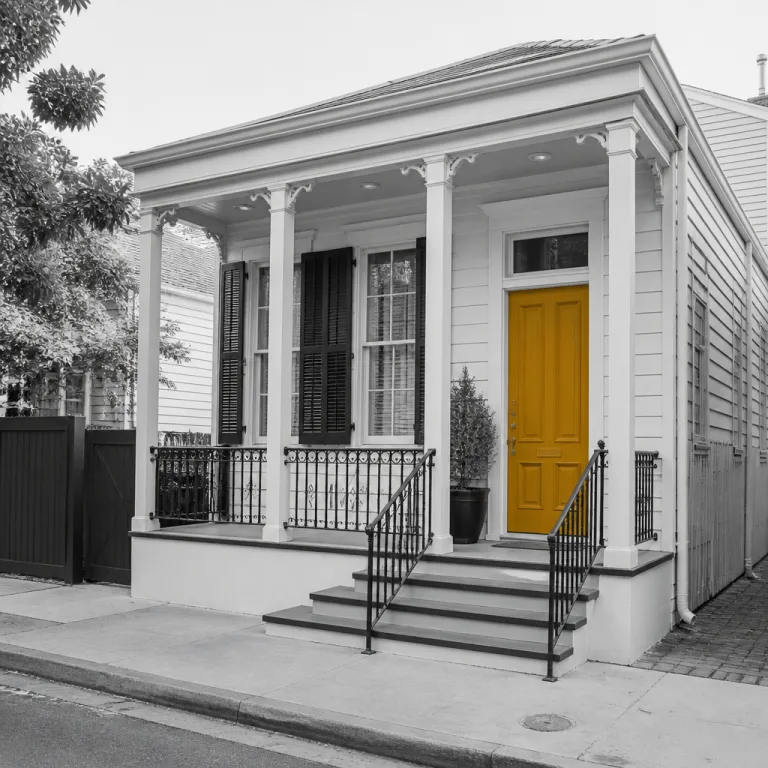
Why a New Orleans bed and breakfast suits travelers seeking character
Choosing a New Orleans bed and breakfast places you inside the city’s lived history. These intimate houses and small inns often occupy restored mansions, double shotguns, or Creole cottages that reflect the layered story of New Orleans itself. For a traveler used to a standard hotel room, the shift to a characterful historic house or private suite can completely change how each night in the city feels.
Across the city there are roughly fifty licensed bed and breakfasts and small inns listed with New Orleans & Company and the Louisiana Office of Tourism as of 2024, and industry summaries from groups such as the American Hotel & Lodging Association indicate that small lodgings commonly operate at occupancy levels near three quarters of available rooms. That steady demand shows how strongly guests value this style of stay. Owners describe their mission clearly: they provide lodging with breakfast, offer unique local experiences, and preserve historic architecture while still integrating modern comforts such as air conditioning and reliable Wi‑Fi. That balance between a preserved New Orleans façade and contemporary comfort bed linens is exactly what many travelers now expect from a refined B&B New Orleans experience.
Compared with a large hotel, a New Orleans bed and breakfast stay usually means fewer guests and more attentive service. Hosts greet each guest by name, share restaurant tips for nearby streets, and often help you check availability at sought‑after venues or tours. One Garden District innkeeper sums it up simply: “You’re staying in my home, so I want you to feel like a neighbor, not a room number.” When you read reviews, you will notice that travelers praise not only the rooms but also the feeling of southern comfort that comes from being welcomed into a lived‑in home rather than a generic New Orleans inn or chain property.
Key neighborhoods for a New Orleans bed and breakfast stay
Location shapes every New Orleans bed and breakfast experience, so choosing the right quarter or district matters. Many travelers gravitate to the French Quarter and nearby Faubourg Marigny, where guest house options sit close to music‑filled streets yet often feel surprisingly calm by night. Others prefer the Garden District or Esplanade Ridge, where tree‑lined avenues and grand mansion façades create a quieter, residential atmosphere.
In the French Quarter itself, places such as The Lanaux Mansion on Esplanade Avenue or R&B Bed and Breakfast on Burgundy Street put you near Frenchmen Street, where live jazz spills out of doorways and guests can walk home in minutes after a late show. These houses often combine a historic New Orleans bed frame or antique furniture with modern air conditioning and sometimes a small courtyard pool, which is invaluable after a humid afternoon. When you read each guest review, pay attention to how they describe noise levels at night and whether the rooms facing the street feel peaceful enough for your sleep style.
Beyond the Quarter, the Garden District offers refined bed and breakfasts such as the Grand Victorian Bed & Breakfast on St. Charles Avenue, where wraparound porches overlook the historic streetcar line and the ride to Canal Street takes about twenty minutes. Here, guests trade the intensity of the French Quarter for leafy streets, elegant houses, and easy access to Magazine Street shops. In Esplanade Ridge and along Elysian Fields Avenue, inns like Ashton’s Bed & Breakfast or The Degas House place you between the French Quarter and quieter residential blocks, which suits travelers who want both nightlife and a more contemplative New Orleans guest house setting.
What to expect inside New Orleans bed and breakfast rooms
Step into a typical New Orleans bed and breakfast room and you will usually find high ceilings, wooden floors, and a carefully chosen comfort bed that reflects the house’s era. Many inns offer a mix of standard rooms and at least one private suite, sometimes with a balcony or access to a shared veranda overlooking the street. The best properties balance period details with practical comforts such as strong air conditioning, good water pressure, and thoughtful lighting.
In houses like Chimes Bed and Breakfast on Pine Street or The Laurel Bed and Breakfast in Uptown, each guest room often has its own entrance from a courtyard, which gives guests extra privacy while still feeling part of the inn. Some rooms include a hot‑tub‑style soaking bath or a walk‑in shower, and a few larger mansions add access to a small pool where you can cool off after walking the French Quarter. When you compare reviews, look for comments on mattress quality, noise between rooms, and whether the air conditioning runs quietly enough to keep the night restful.
Room sizes vary widely across New Orleans bed and breakfasts, from compact doubles in historic cottages to generous suites in a renovated mansion with parlors and sitting rooms. Travelers who value space should check availability early for any private suite category, as these tend to sell out first during festivals such as Mardi Gras or Jazz Fest. If you are sensitive to heat or humidity, prioritize an inn listing that highlights recent upgrades to air conditioning systems and windows, because that detail can make the difference between a merely acceptable bed and breakfast and a truly comfortable stay.
Breakfast rituals and local flavor at New Orleans inns
Breakfast is where a New Orleans bed and breakfast truly distinguishes itself from a standard hotel buffet. Hosts often serve a rotating menu that might include café au lait, fresh fruit, and regional dishes such as pain perdu, grits, or house‑baked biscuits that showcase southern comfort on a plate. In many guest houses, breakfast New Orleans style becomes a daily ritual where guests share tips about the French Quarter, the Garden District, or the best music on Frenchmen Street.
Some properties, like Bywater Bed & Breakfast or Rose Manor Bed & Breakfast Inn on the West End, serve breakfast in a communal dining room overlooking the garden or a nearby canal, which encourages conversation between guests from different countries. Others offer flexible options, delivering a tray to your room or setting up a self‑serve spread so early risers can eat before tours, and late sleepers can still enjoy a relaxed start to the day. When you read a review or several reviews for any New Orleans B&B listing, notice how often breakfast quality and timing are mentioned, because that feedback usually reflects the overall care level of the house.
Travelers with dietary needs should contact the inn in advance and check availability of suitable options, since smaller houses may need notice to prepare gluten‑free or vegan dishes. Hosts are generally proud to adapt their breakfast menus, and many will point you toward nearby cafés or bakeries for additional choices. If breakfast is less important to you than nightlife, you might prioritize a guest house near late‑opening coffee spots and treat the inn’s morning offering as a light start before exploring the streets.
Amenities that elevate comfort in New Orleans guest houses
Beyond the bed and the morning meal, amenities can define how luxurious or relaxed a New Orleans bed and breakfast feels. Many travelers now expect reliable Wi‑Fi, efficient air conditioning, and quality linens as standard, even in a century‑old New Orleans façade. The most thoughtfully run B&Bs citywide go further, adding small extras such as complimentary drinks, local guidebooks, or access to a shaded courtyard.
Some inns feature a small pool or plunge pool, which becomes a welcome retreat after walking several kilometres through the French Quarter or the Garden District in humid weather. A few properties also offer a hot tub in a secluded corner of the garden, allowing guests to soak under the night sky while still feeling sheltered by the surrounding mansion walls. When comparing one New Orleans inn listing with another, consider whether you value a private suite with extra space more than shared amenities like a pool, because each house balances these elements differently.
Parking, security, and self check‑in options also matter, especially for guests arriving late at night or driving in from other parts of Louisiana. Before you book, read each review carefully to see how previous guests describe the neighborhood’s feel after dark and whether the house layout offers clear, well‑lit access. If you are choosing between a hotel and a smaller guest house, remember that the latter often compensates for fewer facilities with more personal assistance, such as arranging restaurant reservations or helping you check availability for tours along Elysian Fields or on the riverfront.
How to read reviews and choose the right New Orleans inn
With so many New Orleans bed and breakfast options, learning how to interpret reviews is essential. Start by focusing on recent reviews that mention specific details such as room cleanliness, breakfast quality, and the responsiveness of the host when a guest needed help. Comments that describe concrete experiences, like how quickly air conditioning cooled the room after a hot afternoon, are more useful than vague praise.
Look for patterns across multiple reviews rather than reacting to a single negative comment, because even the best New Orleans inn property can have an occasional off day. If several guests mention street noise at night, limited hot water, or a pool that felt too crowded, treat those as consistent signals about the house rather than isolated complaints. Conversely, repeated praise for a comfort bed, a generous New Orleans breakfast spread, or a particularly helpful host suggests that the inn invests in genuine southern comfort rather than surface charm.
When you narrow your list, visit each property’s website or booking platform to check availability for your dates and to confirm details such as minimum night stays or cancellation policies. Pay attention to room descriptions, especially whether the private suite you want is in the main mansion or in a separate guest house wing, because that affects both privacy and noise. Finally, remember the core differences between accommodation types: private rooms, breakfast, Wi‑Fi, and local recommendations are typically offered, many bed and breakfasts welcome families but you should check specific policies, and they differ from hotels by providing more personalized service and unique settings.
Deep dive: historic preservation and community impact of New Orleans bed breakfasts
Staying in a New Orleans bed and breakfast does more than secure a comfortable bed for the night. Many of these inns occupy historically significant houses, from Creole townhouses near the French Quarter to Victorian mansions along Esplanade Avenue and Elysian Fields, and your room rate helps fund their ongoing preservation. Owners often work closely with local preservation groups and tourism boards to maintain original façades, ironwork, and interior details while discreetly adding modern necessities such as air conditioning and updated plumbing.
Properties like The Degas House, which operates as both a museum and a bed and breakfast, illustrate how a single house can serve guests while also interpreting the city’s artistic heritage. In the Garden District, the Grand Victorian Bed & Breakfast shows how a carefully restored mansion can anchor a residential street, attracting respectful guests who support nearby cafés and shops rather than overwhelming the neighborhood. When you choose a New Orleans guest house stay over a large hotel, your spending often flows directly to local staff, tradespeople, and suppliers, which strengthens the surrounding community.
This model of hospitality also encourages slower, more attentive travel, because guests tend to engage with hosts about local history, festivals, and the realities of living in New Orleans beyond the tourist façade. Many innkeepers share candid advice about how to navigate crowded streets during major events, where to find quieter corners of the French Quarter, or how to experience southern comfort food traditions without contributing to overtourism in fragile areas. For travelers who care about impact, choosing a New Orleans inn stay in a responsibly managed historic house or fields‑side property can align personal comfort with the long‑term health of the city they have come to enjoy.
Key figures about New Orleans bed and breakfast stays
- New Orleans hosts an estimated 50 dedicated bed and breakfast establishments, a scale that allows for diverse locations from the French Quarter to the Garden District while still feeling intimate compared with the city’s hotel inventory, according to local tourism board data and listings maintained by New Orleans & Company and the Louisiana Office of Tourism.
- The average occupancy rate for these inns is commonly reported around 75 percent in regional hospitality analyses, which indicates strong, steady demand for character‑rich guest house stays throughout the year rather than only during peak festivals, based on patterns noted in American Hotel & Lodging Association reports on small lodging.
- Check‑in times typically begin at 15:00 and check‑out is usually at 11:00, a pattern that aligns with broader hotel standards yet still leaves enough flexibility for hosts to personalize arrivals and departures for individual guests when arranged in advance.
FAQ: planning a New Orleans bed and breakfast stay
What amenities are typically offered in New Orleans bed and breakfast properties?
Most New Orleans bed and breakfast houses provide private rooms, a freshly prepared breakfast, Wi‑Fi, and detailed local recommendations from the host. Many also include strong air conditioning, quality comfort bed mattresses, and access to shared spaces such as parlors, verandas, or small gardens. Some higher‑end inns add extras like a pool, a hot tub, or limited parking, so always check availability for the specific amenities you value most.
Are New Orleans bed breakfasts suitable for families with children?
Many bed and breakfasts in New Orleans welcome families, but policies vary widely between each inn and guest house. Some houses restrict younger children to preserve a quiet atmosphere, while others offer larger rooms or a private suite that works well for parents and one or two children. Before booking, read recent reviews from family guests and contact the property directly to confirm age rules, extra bed options, and whether the location near the French Quarter or Garden District suits your plans.
How do New Orleans bed and breakfast stays differ from hotel stays?
Compared with a conventional hotel, a New Orleans bed and breakfast stay usually offers fewer rooms, more direct contact with the owner, and a stronger sense of place rooted in the architecture of the house. Guests trade large‑scale facilities for personalized service, home‑cooked breakfasts, and tailored advice about streets, music venues, and restaurants. For travelers who prioritize character and southern comfort over uniformity, a New Orleans inn experience often feels more rewarding than a standard hotel night.
When should I book a New Orleans bed and breakfast, and how far ahead?
Because occupancy rates hover around three quarters of available rooms, it is wise to check availability several months in advance for major festivals or holiday periods. Private suites and rooms with access to a pool or balcony in the French Quarter or Garden District tend to sell out first. For quieter seasons, booking a few weeks ahead usually secures a good choice of rooms, but last‑minute travelers should still monitor reviews and be flexible about location within New Orleans.
Which neighborhoods are best for first time guests choosing a bed and breakfast?
First‑time visitors often enjoy staying near the French Quarter or in the adjacent Marigny, where they can walk to music venues and restaurants while returning easily to a calm guest house at night. Travelers who prefer a more residential feel usually choose the Garden District or Uptown, where mansions, trees, and the St. Charles streetcar create a slower pace. Those interested in art and local life might look toward Bywater, Esplanade Ridge, or along Elysian Fields, where bed and breakfasts place guests closer to everyday New Orleans while still offering quick access to the main sights.
Trusted references
- New Orleans & Company (official tourism organization for New Orleans)
- Louisiana Office of Tourism
- American Hotel & Lodging Association reports on small lodging and bed and breakfast trends