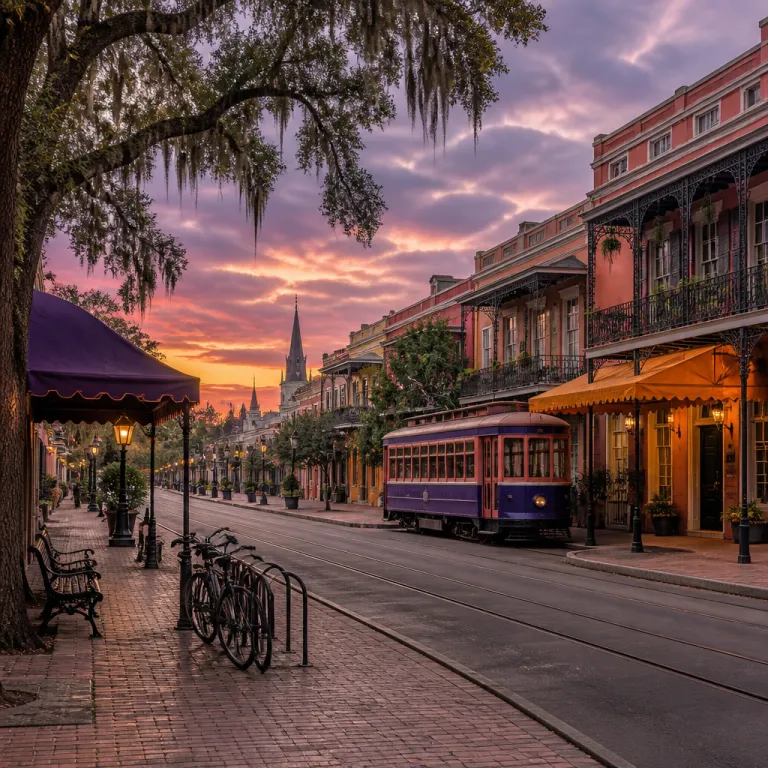
Where to Stay in New Orleans: Neighborhoods, Hotels, and Local Tips
How this new orleans travel guide helps you choose the right area
The New Orleans city layout can feel confusing when you first arrive. This New Orleans travel guide focuses on where to stay so you can match each district to your travel style and budget. When you understand how every city neighborhood connects to the river, you will choose hotels in New Orleans with far more confidence.
New Orleans sits in the southern United States on a crescent of the Mississippi River, and the historic core curves along the water in a compact band that is easy to walk. The French Quarter, the Central Business District, the Garden District, Uptown, and Mid-City each offer a different balance of nightlife, live music, museums, and quiet residential streets. As you read this guide, keep in mind how close you want to be to Bourbon Street, the Mississippi River, and the streetcar lines that link the main areas of the city.
Most first-time visitors choose the French Quarter or the nearby Central Business District because these areas place you close to the best-known sights. Repeat guests often move toward the Garden District or Uptown for more space, leafy streets, and a calmer atmosphere after late-night jazz. Whatever you decide, this travel guide will keep returning to one key question: how much buzz do you want outside your hotel door, and how much do you prefer to leave on the street.
Staying in and around the french quarter ; energy, history, and noise levels
The French Quarter is the most famous district in New Orleans, and it is where many visitors imagine staying before they read a detailed New Orleans travel guide. This compact quarter runs from Canal Street to Esplanade Avenue and from the Mississippi River back toward North Rampart Street, and it holds some of the city’s best-known landmarks such as Jackson Square, the French Market, and Café du Monde. Hotels in this area range from discreet luxury addresses to simple guesthouses above lively street corners, so choosing the right block matters as much as choosing the right property.
If you want to be near the action, Bourbon Street offers late-night bars, live music, and a constant flow of people, but it also brings noise until very late hours. A few streets away, Royal Street and Chartres Street feel more refined, with art galleries, antique shops, and easier access to the cathedral on Jackson Square, and these streets usually provide quieter nights while keeping you close to the river. Many travelers find that staying within a short walk of the French Market or Café du Monde gives them a full French Quarter experience without the heaviest crowds that gather on Bourbon Street during peak Mardi Gras periods.
For travelers who value sleep, this guide recommends choosing New Orleans hotels on side streets between Royal Street and Burgundy Street, where you can still walk to Frenchmen Street for jazz but return to calmer surroundings. In practical terms, blocks directly on Bourbon Street between Iberville Street and St. Peter Street tend to be loudest, while corners near Dauphine Street and Burgundy Street feel more residential. When you compare options, look carefully at maps, check how far your hotel sits from the Mississippi River, and decide whether you want to step straight into the Big Easy’s party or keep it at a short distance.
Garden district, city park, and quieter corners of the big easy
Travelers who prefer leafy streets and historic mansions often find that the Garden District suits them better than the French Quarter. This part of New Orleans lies upriver along St. Charles Avenue, and it is famous for its grand homes, shaded sidewalks, and easy access to both the riverfront and Magazine Street shopping. A New Orleans travel guide aimed at hotel guests should highlight that the Garden District offers a calmer base while still keeping you within a short streetcar ride of the main city sights.
Staying in the Garden District places you close to Lafayette Cemetery, the St. Charles streetcar line, and a growing collection of excellent restaurants and cafés that feel more local than tourist focused. Many visitors enjoy starting the day with a walk among the oak trees, then taking the streetcar toward the French Quarter for museums, Jackson Square, and the French Market before returning to quieter streets at night. If you value space, greenery, and a residential feel, the Garden District and nearby Uptown neighborhoods provide some of the best options in the United States for combining historic architecture with relaxed city living.
Farther out, areas near City Park and Mid-City offer access to the New Orleans Museum of Art, the sculpture garden, and large green spaces that are ideal for families. These districts sit away from Bourbon Street and Frenchmen Street, so they suit travelers who want to visit the quarter and then retreat to a different rhythm of New Orleans life. When you read hotel descriptions in these areas, pay attention to streetcar and bus connections, because a reliable route back to the river and the French Quarter will shape how easily you can move between the quieter districts and the full energy of the Big Easy.
Choosing between riverfront luxury and characterful historic stays
Along the Mississippi River, several New Orleans hotels offer sweeping views of the water and quick access to riverfront walks. Staying near the Mississippi River places you close to the cruise terminals, the riverfront streetcar, and long promenades where you can watch ships curve around the bend that gave the city its nickname Crescent City. For travelers who enjoy watching the river traffic and stepping straight from the lobby to the levee, a riverfront address can be one of the best choices in this New Orleans travel guide.
One of the most respected luxury options is Windsor Court, a hotel known for its refined service, art collection, and quiet atmosphere just a short walk from both the Central Business District and the French Quarter. Guests who stay at Windsor Court often praise the balance between easy access to live music and restaurants and the sense of retreat once they return to the property, and that balance matters in a city where nightlife can run very late. If you prefer a historic setting, many renovated townhouses and former mansions in the quarter and the Garden District offer high ceilings, courtyards, and a strong sense of place, though they may have fewer river views than the larger towers along the Mississippi River.
When comparing riverfront New Orleans hotel options with more historic addresses, consider what you want to see from your window and how much time you will spend in the room. River views and rooftop pools can be a great luxury if you plan slow mornings or afternoons by the water, while a smaller historic property on a quiet street might suit travelers who spend most hours exploring museums, Jackson Square, Congo Square, and live music venues. This guide recommends reading recent guest feedback carefully, because in New Orleans the difference between a calm stay and a noisy one often comes down to which side of the building faces the street or the river.
Planning your stay around jazz, mardi gras, and live music districts
Music shapes daily life in New Orleans, and where you stay will influence how easily you can reach the best venues. A thoughtful New Orleans travel guide for hotel guests must consider how jazz, brass bands, and festivals like Mardi Gras affect both prices and noise levels across the city. If live music is your priority, staying within walking distance of Frenchmen Street, Bourbon Street, or Congo Square can transform your visit.
Frenchmen Street, just outside the French Quarter in the Faubourg Marigny district, is widely regarded as one of the best places in the United States to hear live jazz in intimate clubs. Here you can move between venues in a single evening, listening to different bands while still being close enough to walk back to your hotel in the quarter or nearby Marigny streets. Congo Square, in Louis Armstrong Park, holds deep cultural significance as a historic gathering place for African and Afro-Caribbean communities, and staying near this area gives you easy access to both heritage sites and modern performances.
During Mardi Gras, hotel rates across New Orleans rise sharply, and properties near main parade routes on St. Charles Avenue, Canal Street, and in the French Quarter often require multi-night stays. If you plan to visit during this period, book early and use this guide to choose whether you want to be directly on a parade route or a few blocks away for easier sleep. Outside festival peaks, you can often secure better value in the Central Business District or the Garden District while still reaching Frenchmen Street, Bourbon Street, and Jackson Square quickly by streetcar or on foot.
Practical tips for booking hotels and exploring key sights
For many travelers, the best time to visit New Orleans is between October and April, when temperatures are milder and humidity is lower. The New Orleans Tourism Marketing Corporation notes that “Visit during October–April for pleasant weather.” This seasonal pattern means that hotel rates often track demand, so this New Orleans travel guide recommends booking early for spring weekends and major events while looking for better value in shoulder periods.
Average hotel rates in the city sit around 150 USD per night according to AAA Travel Guide, though prices vary widely between the French Quarter, the Garden District, and areas near City Park. When you compare New Orleans hotel options, consider what is included in the nightly rate, such as breakfast, parking, or resort fees, because these extras can significantly change the full cost of your stay. Many visitors now use online platforms powered by GetYourGuide-style tour aggregators to book walking tours of the French Quarter, Mississippi River cruises, and museum tickets, which can help you structure your days efficiently.
Beyond your hotel, plan time for key sights such as Jackson Square, the French Market, City Park, the New Orleans Museum of Art, and riverfront walks along the Mississippi River. A well-planned travel guide itinerary might start with a morning beignet at Café du Monde, continue with a guided tour of the quarter, then move upriver to the Garden District for an afternoon among the mansions and gardens. As you read different guides and compare districts, remember that the Big Easy rewards slow exploration; leaving space in your schedule will let you follow the sound of jazz down an unexpected street or linger longer in a museum that captures your interest.
Key figures for planning a stay in new orleans
- New Orleans welcomed around 19.75 million visitors in 2019 according to the New Orleans Tourism Marketing Corporation, which means popular districts like the French Quarter and Garden District can feel busy at peak times.
- The average hotel rate in the city is about 150 USD per night based on AAA Travel Guide data from 2023, so a three-night stay for two people typically starts around 450 USD before taxes and extras.
- Most first-time visitors spend three to four nights in New Orleans, which allows enough time to visit Jackson Square, the French Market, City Park, and at least one Mississippi River cruise without rushing.
- Walking, streetcars, and buses cover the compact historic core efficiently, and many guests find they can explore the French Quarter and nearby districts without renting a car.
FAQ ; planning your hotel stay in new orleans
What is the best time to visit New Orleans for comfortable weather ?
The most comfortable period runs from October to April, when temperatures are milder and humidity is lower than in summer. This timing also aligns with many cultural events, though Mardi Gras weeks bring higher hotel rates. If you want pleasant weather with fewer crowds, consider late autumn or early spring dates.
Is New Orleans safe for tourists choosing central hotels ?
New Orleans is generally safe for visitors who stay aware of their surroundings and choose well-located hotels in established districts. Areas around the French Quarter, the Central Business District, and the Garden District see regular tourist traffic and visible security. As in any major city in the United States, avoid poorly lit streets late at night and use licensed taxis or ride share services when returning from live music venues.
Which neighborhoods are best for first time visitors booking hotels ?
First-time visitors usually find the French Quarter and the Central Business District most convenient, because these areas sit close to Jackson Square, the French Market, and riverfront streetcar lines. Travelers seeking quieter evenings often choose the Garden District or Uptown, trading immediate nightlife for leafy streets and historic homes. Your choice should reflect whether you want to step directly into the Big Easy’s energy or keep it a short walk away.
How can I get around from my hotel without renting a car ?
Walking works well within the compact historic core, especially between the French Quarter, the riverfront, and nearby districts. Streetcars along St. Charles Avenue and Canal Street connect the Garden District, City Park, and other key areas at a modest cost. Buses and ride share services fill the gaps, so most visitors can comfortably explore New Orleans without driving.
What local foods should I try near my hotel ?
Beignets, gumbo, jambalaya, and po’boys are essential dishes that appear on menus across the city. Many guests start with beignets and coffee at Café du Monde near Jackson Square, then explore Creole and Cajun restaurants in the French Quarter and Garden District. When you book your stay, look at nearby dining options as carefully as you look at room photos, because food is central to the New Orleans experience.
References
- New Orleans Tourism Marketing Corporation, 2019 Visitor Statistics Report (visitor volume and seasonal patterns)
- AAA Travel Guide, 2023 Average Daily Room Rate Data (citywide hotel pricing benchmarks)
- New Orleans Museum of Art, City Park Visitor Information (opening hours and park facilities)