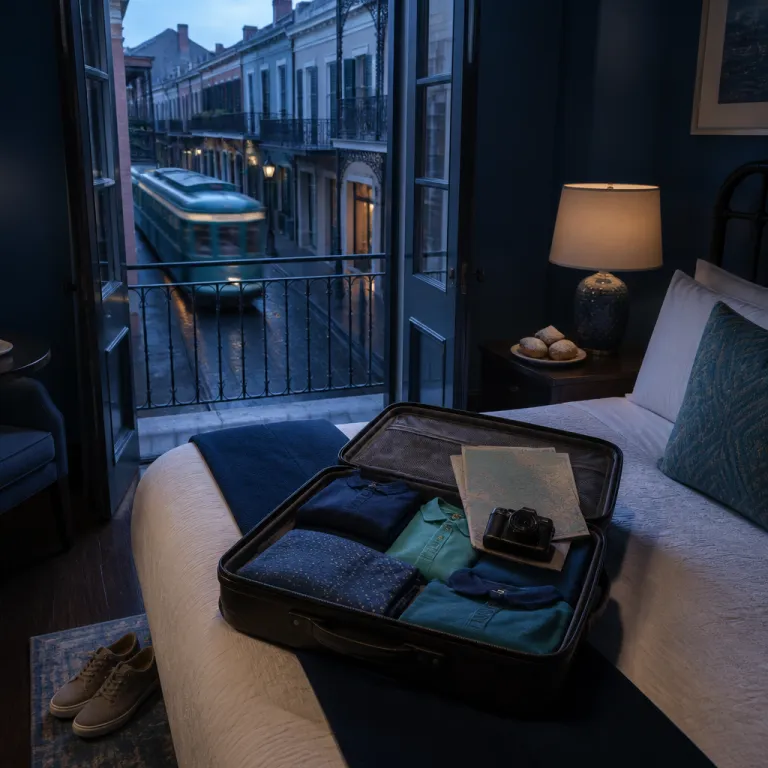
Choosing the right area to stay in New Orleans for first time visitors
For first time visitors to New Orleans, where you sleep shapes every moment of the trip. The city layout is compact, so your chosen neighborhood will decide whether you walk, ride a streetcar, or rely on taxis at night. When you book a room, think about how much time you want to spend in the French Quarter, the Garden District, or along the Mississippi River.
The historic French Quarter is the classic choice for a first stay, placing you close to live music, Creole restaurants, and major tour departures. Many travellers highly recommend this area because you can step from your hotel onto a lively street within seconds, yet still retreat to a quiet courtyard by the end of the day. If you want to experience New Orleans at its most atmospheric, staying here lets you visit Café du Monde at dawn, stroll Bourbon Street by evening, and reach a late jazz cruise on foot.
The Garden District offers a calmer New Orleans base, with tree lined avenues, elegant mansions, and the historic St. Charles Avenue streetcar. This area suits first timers who prefer a residential feel, yet still want a short ride to the French Quarter for a walking tour or live jazz. You can learn local history during the day on a guided tour of the district, then return to a refined dinner nearby without the constant noise of Bourbon Street.
Along the Mississippi River waterfront, hotels give first time guests sweeping views and easy access to every type of riverboat cruise. From here you can walk to the Steamboat Natchez dock near Toulouse Street, join a jazz cruise at sunset, or board a daytime riverboat cruise that explains how the river shaped the New Orleans economy. This location works especially well if you plan to visit both the French Quarter and the Warehouse Arts District during a short stay.
Outside these central neighborhoods, some properties near the convention center or airport can be tempting for price, but they add travel time to every visit. For a first visit, it is usually wiser to prioritise proximity to the French Quarter or Garden District over marginal savings. Being able to walk to live music, a late dinner, or an early swamp tour departure will enhance your overall New Orleans experience far more than a slightly cheaper nightly rate.
How long to stay and what a first time itinerary really feels like
New Orleans rewards at least three full days on a first visit. With that amount of time, you can balance a French Quarter walking tour, a Mississippi River cruise, and a half day swamp tour without feeling rushed. Shorter stays are possible, but each extra day deepens how you experience the city’s culture, food, and music.
On your first day, settle into your hotel and learn the basic geography with a relaxed stroll through the French Quarter. Join a late afternoon walking tour that explains the city’s architecture, from Creole townhouses to hidden courtyards, then stay out for live jazz on Frenchmen Street. Many guides and hotel concierges highly recommend this pattern because it introduces the Quarter gently before you see Bourbon Street at its loudest.
Dedicate your second day to the water and wetlands that define the region. Start with a morning riverboat cruise or a sailing on the Steamboat Natchez, where commentary outlines how the Mississippi River powered trade, migration, and the rise of the city. In the afternoon, head out on a swamp tour to learn about local wildlife, Cajun communities, and the fragile ecosystems that surround metropolitan New Orleans.
Reserve your third day for neighbourhoods and food, which are central things New Orleans is famous for among repeat guests. Take the St. Charles Avenue streetcar (the historic green cars on the St. Charles line) to the Garden District, then join a guided tour to see antebellum mansions and historic cemeteries. Return to the French Quarter for a leisurely dinner, followed by live music in an intimate club where you can hear real jazz rather than only loud bar playlists.
If you have more time, consider a day trip to a nearby plantation combined with a second swamp tour or a different style of jazz cruise. A first trip to New Orleans often turns into a repeat visit once travellers realise how much there is still to explore beyond the core tourist streets. Whether you stay three days or five, plan your visit so that each day balances history, water, and live music.
Essential experiences near your hotel: from jazz to river cruises
When you book a hotel in New Orleans, think about which experiences you want within walking distance. Many of the most memorable moments for first time guests happen at night, when live music spills from doorways and the Mississippi River glows under the city lights. Staying central means you can move easily between a jazz cruise, a late dinner, and a quiet street without long taxi rides.
The classic Steamboat Natchez remains a favourite for a first riverboat cruise, especially its evening sailings. On board, you can enjoy dinner while a live jazz band plays, and you can step onto the deck to watch the New Orleans skyline drift by. This type of jazz cruise lets you experience the city from the water, understand the scale of the Mississippi River, and still return to your hotel at a reasonable time.
On land, the French Quarter concentrates many of the essential things New Orleans is known for among visitors. Café du Monde, often misspelled as cafe monde, serves beignets and chicory coffee around the clock, making it ideal for an early day start or a late night snack. Nearby, Bourbon Street offers a dense strip of bars, but many travellers highly recommend exploring side streets and Frenchmen Street for more refined live music and authentic jazz.
Hotel concierges in New Orleans are valuable partners when you want to learn local culture beyond the obvious attractions. They can arrange a guided tour that focuses on Creole cuisine, a walking tour of historic bars, or reserved seating at a respected jazz club. For first time visitors, using this local expertise often transforms a generic visit into a layered New Orleans experience that feels personal.
Remember that some of the best live music happens in smaller venues that do not always advertise widely. Ask staff where they would take a friend visiting for the first time, then follow their advice for that evening. This approach will help you experience New Orleans nightlife as residents do, with a balance of planned highlights and spontaneous discoveries along each street.
Planning day trips: plantations, swamps, and how they shape your stay
Beyond the New Orleans city limits, the surrounding region offers powerful day trips that deepen your understanding of Louisiana. Many first time visitors focus on the French Quarter alone, but a plantation visit or swamp tour reveals how the landscape and history intertwine. When you book these excursions, consider travel time, departure points, and how they fit around your evenings in the city.
Plantation tours along the Mississippi River corridor usually combine architecture, gardens, and difficult conversations about slavery. A guided visit allows you to learn regional history in context, seeing how wealth in New Orleans depended on rural labour and river transport. Many travellers highly recommend pairing a plantation tour with a quieter evening in the Garden District, where you can reflect over dinner in a calm setting.
Swamp tours offer a very different side of the area, taking you into bayous lined with cypress trees and wildlife. Operators depart from various points outside New Orleans, so check whether your hotel can arrange transfers or if you must meet a shuttle in the French Quarter. For most first time travellers, a half day swamp tour of about two to four hours on the water is usually enough time to see alligators, birds, and fishing communities without exhausting your schedule.
Some companies combine a plantation visit and swamp tour into a single long day, which can be efficient if your time is limited. However, this schedule can feel intense, especially if you also want to enjoy live music or a jazz cruise that same night. When you plan a first New Orleans itinerary, it is often better to alternate heavy day excursions with lighter evenings or vice versa.
Ask your hotel concierge or trusted local guides which operators they recommend, since safety standards and commentary quality vary. Reputable partners often coordinate with New Orleans Tourism to maintain consistent information and respectful storytelling. Choosing carefully ensures that your day trips complement your New Orleans city stay, rather than feeling like disconnected activities.
Seasonality, festivals, and how timing affects your hotel choice
The time of year you visit New Orleans has a direct impact on prices, availability, and atmosphere. Many first time guests dream of Mardi Gras, yet they may not realise how early they must book and how crowded the French Quarter becomes. If you prefer space and slightly cooler evenings, spring and autumn offer a more balanced New Orleans experience.
New Orleans Tourism notes that spring brings major festivals, while summer is hot, autumn is mild, and winter is cool. This seasonal rhythm means that hotel rates in the city usually peak during Mardi Gras and major music events, then ease during hotter months. For a first stay, it is wise to choose a period when you can walk comfortably between your hotel, a walking tour, and live music venues without extreme heat.
During Mardi Gras, New Orleans transforms into a dense network of parades, street parties, and closed roads. Hotels near parade routes and the French Quarter often require multi day minimum stays, and you must book many months in advance, sometimes six to nine months for the most popular weekends. If your main goal is to learn local history, enjoy a riverboat cruise, and hear live jazz, you may find a quieter festival or non peak period more comfortable.
Outside major festivals, you can often secure better rates in both the French Quarter and Garden District, while still enjoying nightly live music. This flexibility lets you allocate more of your budget to a jazz cruise on the Steamboat Natchez, a plantation tour, or a special dinner. First time visitors should also consider travel insurance, as tropical weather can occasionally affect flights and swamp tour operations.
Whatever season you choose, stay hydrated, wear comfortable shoes, and be mindful of local customs. These simple habits, recommended by local authorities and guides, make it easier to enjoy long days of walking tours and late nights of live music. Aligning your visit with your tolerance for crowds, heat, and noise will shape how you remember your time in New Orleans.
Safety, logistics, and practical tips for a smooth first stay
New Orleans Tourism reports that the city welcomed around 19.75 million visitors in 2022, a scale that keeps services well practised. For first time travellers, this means you will find experienced hotel staff, seasoned local guides, and a wide choice of operators for every type of tour. At the same time, you should treat New Orleans like any large city, staying aware of your surroundings, especially late at night.
Official guidance from New Orleans Tourism answers common concerns directly: "What is the best time to visit New Orleans?" "Spring and fall offer mild weather and festivals." "Is New Orleans safe for tourists?" "Yes, but stay aware of surroundings." "What local dishes should I try?" "Beignets, gumbo, jambalaya." These concise points align with what hotel concierges and local tour guides share daily with first time guests.
When you book your hotel, check how far it is from key places you plan to visit, such as the French Quarter, the Garden District, and the Mississippi Riverfront. Being within a short walk or quick streetcar ride of these areas simplifies every tour, dinner, and jazz outing. Many visitors underestimate how much they will appreciate a quick return to their room between a swamp tour and an evening jazz cruise.
Use maps, guidebooks, and mobile apps to learn the city layout before you arrive, focusing on main street names and streetcar lines. The St. Charles and Canal Street lines are especially useful, and fares are typically low enough that a day pass can cover several rides. Many visitors highly recommend arriving with at least one pre booked activity, such as a riverboat cruise or a walking tour, then leaving space for spontaneous things New Orleans offers.
Finally, rely on hotel concierges as your on the ground team for safety tips, restaurant reservations, and live music suggestions. They work closely with local tour guides, restaurants, and tour companies, giving them up to date information on what is running smoothly each day. For first time visitors, this human network often proves more valuable than any app when you want to experience New Orleans with confidence and ease.
Key figures about tourism in New Orleans
- New Orleans Tourism reports approximately 19.75 million annual visitors in 2022, illustrating how firmly the city is established as a major leisure and meetings destination in the USA.
- Visitor demand remains strong across all four seasons, with spring and autumn highlighted by New Orleans Tourism as offering the most comfortable weather for walking tours and outdoor live music.
- The concentration of hotels, restaurants, and tour operators in and around the French Quarter and Garden District reflects the continued priority on preserving historic neighbourhoods while supporting modern visitor needs.
- Growth in eco tourism, culinary tours, and music festivals around New Orleans demonstrates a strategic focus on experiences that help travellers learn local culture in depth rather than through quick photo stops.
FAQ about staying in New Orleans for the first time
How many days should a first time visitor spend in New Orleans ?
Plan at least three full days in the city to balance a French Quarter walking tour, a Mississippi River cruise, and a half day swamp tour. With this duration, you can also explore the Garden District and enjoy multiple evenings of live music. Shorter stays are possible, but each extra day allows you to experience New Orleans culture more deeply.
Is New Orleans safe for tourists staying near the French Quarter ?
Central areas such as the French Quarter and Garden District are accustomed to visitors and are generally safe when you stay aware of your surroundings. Use the same precautions you would in any busy city, especially late at night on crowded streets like Bourbon Street. Choose well reviewed hotels, use licensed taxis or rideshares, and follow local advice from concierges and guides.
What is the best time of year to visit for comfortable weather ?
Spring and autumn usually offer the most pleasant temperatures for walking tours and outdoor dining. These seasons also feature many festivals, which add live music and street performances to your stay. Summer can be very hot and humid, while winter is cooler but still suitable for most activities.
Which neighbourhood is best for first time visitors booking a hotel ?
The French Quarter is ideal if you want to be in the centre of historic sights, restaurants, and riverfront departures. The Garden District suits travellers who prefer quieter, residential streets while remaining a short ride from the main attractions. Both areas work well for a first New Orleans stay, and many guests highly recommend choosing between them based on your noise tolerance and nightlife interests.
Do I need to book tours and river cruises in advance ?
For popular options such as the Steamboat Natchez jazz cruise, plantation excursions, and peak season swamp tours, advance booking is wise. During busy periods and festivals, same day availability can be limited, especially for evening riverboat cruise departures. Your hotel concierge can often secure last minute spots, but planning ahead gives you the best choice of times and seating.