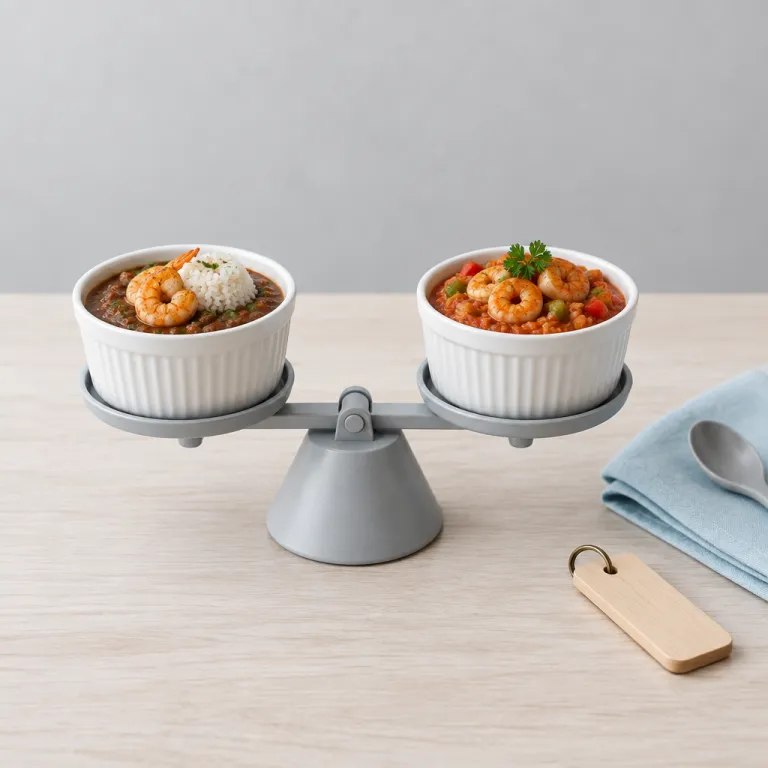
Why new orleans cajun vs creole food matters when choosing your hotel
When you plan a stay in New Orleans, cajun vs creole food is not a side note, it shapes your entire visit. For many travellers comparing hotels, proximity to authentic Cajun cuisine and historic Creole cuisine is as decisive as room size or pool access, because the city’s most memorable moments often happen over a steaming bowl of gumbo or a late night plate of shrimp creole. If you care about where you sleep as much as what you eat, understanding how Cajun food and Creole food differ will help you choose a neighbourhood, a property, and even a room category that match your appetite.
New Orleans sits at the heart of south Louisiana, where Cajun country traditions meet refined New Orleans Creole heritage in a dense, walkable urban grid. In practice that means a short stroll from many hotels can take you from rustic Cajun cooking built around dark roux and rice to elegant Creole cooking layered with French techniques, tomatoes, and a broader palette of ingredients. When you compare hotels in the French Quarter, the Central Business District, or the Marigny, think not only about distance to Bourbon Street but also about how quickly you can reach the Cajun dishes and Creole dishes that interest you most.
For guests who fly in for Mardi Gras or a long weekend, time is limited and every food and drink decision counts. A hotel near the streetcar lines or close to the riverfront lets you sample both cuisines, from seafood heavy Creole dishes in New Orleans restaurants to hearty food Cajun classics in more casual spots that feel like a slice of Cajun country. If you arrive with a clear sense of which dish styles you prefer, you can ask concierges targeted questions about Cajun cuisine, Creole cuisine, and mixed Cajun Creole menus instead of relying on generic recommendations.
Understanding cajun cuisine for travellers
Cajun cuisine grew from the Cajun people, descendants of French speaking Acadians who resettled in rural south Louisiana and adapted their cooking to swamps, bayous, and fields. Their Cajun cooking emphasises one pot dishes, bold seasoning, and practical use of local ingredients like crawfish, rice, and pork, creating food that is hearty enough to fuel long days of labour. When you see a menu near your hotel that highlights Cajun dishes, expect robust flavours, generous portions, and a focus on comfort rather than ceremony.
Signature Cajun food often starts with the holy trinity of onions, celery, and bell peppers slowly softened in fat, then deepened with a dark roux that gives body and colour to gumbo and other stews. In many Cajun cuisines across Louisiana, tomatoes are used sparingly or not at all, which is one of the clearest differences from Creole Cajun hybrids you may encounter in central New Orleans. Look for classics such as chicken and sausage gumbo, crawfish étouffée over rice, and smoked boudin sausage, all of which pair well with simple food and drink options like local beer rather than elaborate wine lists.
Hotels closer to the edges of the city or along routes leading toward Cajun country often have easier access to more traditional Cajun cooking, while central properties may feature modern takes on Cajun cuisine in their own restaurants. If you want to wake up and walk to a café serving food Cajun style breakfasts with boudin, eggs, and rice, consider staying slightly away from the most touristy blocks of the French Quarter. Guests who prioritise rustic Cajun food should ask hotel staff specifically about venues that highlight Cajun dishes rather than general Louisiana cuisine, because not every gumbo in town follows rural Cajun traditions.
What defines creole cuisine in New Orleans
Creole cuisine developed in urban New Orleans, where French, Spanish, African, and Native American influences blended with Caribbean trade to create a more cosmopolitan style of cooking. In contrast to country style Cajun food, Creole food is often described as city food, with multi course meals, sauces finished with butter, and a wider range of imported ingredients. When you book a hotel in or near the French Quarter or the Garden District, you are placing yourself in the historic heart of New Orleans Creole dining.
Creole cooking also begins with the holy trinity, yet it frequently adds tomatoes, stock, and wine, creating brighter sauces and more layered flavours than many Cajun dishes. Classic Creole dishes include shrimp creole simmered in a tomato rich sauce over rice, seafood gumbo that may feature shrimp, crab, and oysters, and refined rice dishes that echo both French and Spanish traditions. In many Creole cuisines, chefs use copper cookware and lighter roux, which contrasts with the dark roux typical of rural Cajun cooking and gives the food a different texture and colour.
Upscale hotel restaurants in central New Orleans often lean toward Creole cuisine, offering tasting menus that showcase local seafood and carefully plated dish compositions. If you are planning a special occasion stay, such as a Mardi Gras trip or an anniversary, choosing a property with a strong Creole Cajun or pure Creole food programme can save you precious taxi rides. Many concierges are well versed in the history of Creole dishes and can secure reservations at landmark dining rooms where New Orleans Creole traditions have been preserved for generations.
Key differences in ingredients, cooking methods, and dishes
For travellers comparing new orleans cajun vs creole food, the most practical distinction lies in ingredients and techniques you will actually taste. Cajun cuisine tends to rely on local meats, crawfish, and rice, cooked in cast iron pots with a dark roux and minimal tomatoes, producing dishes that feel earthy and smoky. Creole cuisine, by contrast, embraces a broader pantry that includes imported spices, wine, and frequent use of tomatoes, resulting in seafood forward dishes and sauces that feel lighter on the palate.
Both cuisines share the holy trinity as a base, yet Cajun cooking usually builds from that base into one pot meals like gumbo, jambalaya, and boudin laden stews, while Creole cooking often separates components into distinct course structures. In many Creole dishes you will find shrimp, crab, and other seafood highlighted individually, as in shrimp creole or seafood gumbo, whereas Cajun dishes may mix several proteins together for a more rustic effect. This difference matters when you choose where to stay, because hotels near the river and the French Quarter often specialise in seafood heavy Creole dishes, while properties closer to residential corridors may be surrounded by more casual food Cajun spots.
Another useful marker for guests is how each cuisine handles spice and texture, which you will notice from your first dish. Cajun food is generally spicier, with black pepper, cayenne, and smoked paprika building heat, while Creole food balances milder spice with herbs and the natural sweetness of tomatoes and shellfish. If you are sensitive to heat, ask hotel staff to recommend Creole Cajun restaurants that lean more toward Creole cooking, and if you love bold flavours, seek out venues known for traditional Cajun country style gumbo and boudin.
Planning your stay around cajun and creole neighbourhoods
Where you book your hotel in New Orleans will shape how easily you can explore both Cajun cuisines and Creole cuisines during a short stay. The French Quarter and nearby Central Business District offer a dense concentration of New Orleans Creole institutions, many within a few hundred metres of major hotels. Staying here suits guests who want to walk from their room to white tablecloth dining rooms that specialise in seafood, shrimp creole, and other Creole dishes rooted in French technique.
Travellers who prioritise Cajun cooking may prefer hotels along Canal Street, in the Marigny, or in neighbourhoods that connect quickly to roads leading toward south Louisiana and broader Cajun country. From these bases you can reach casual spots that focus on food Cajun favourites like dark roux gumbo, crawfish étouffée, and grilled boudin, often served with simple rice and cold beer. Many of these venues feel less formal than central Creole restaurants, which can be a relief after a long day of sightseeing or Mardi Gras parades.
Some modern restaurants near major hotels now serve mixed Cajun Creole menus, reflecting the city’s evolving culinary identity. Diners might start with a Creole food appetiser of seafood gumbo, then move to a Cajun food main dish like blackened fish over dirty rice, all in one sitting. When you evaluate hotel locations, ask not only about distance to attractions but also about walking routes to both pure Cajun cuisine spots and classic Creole cuisine landmarks, so you can experience the full spectrum without relying constantly on taxis.
Practical tips for hotel guests exploring new orleans cajun vs creole food
To make the most of your stay, start each day with a clear plan for which cuisine you want to focus on and how far you are willing to walk from your hotel. Many properties keep curated lists of nearby Cajun dishes and Creole dishes, so ask the front desk for separate recommendations rather than a single generic list of Louisiana food options. When possible, book at least one dinner in a landmark New Orleans Creole restaurant and one in a more rustic Cajun country style venue, giving you a balanced view of local cooking.
Remember that both Cajun and Creole cooking can be rich, with roux, rice, and generous portions of seafood or meat, so pace yourself across your stay. Consider lighter lunches built around seafood or shrimp creole, then save heavier food Cajun plates like boudin, gumbo, and crawfish étouffée for evenings when you can stroll back to your room. If you have dietary restrictions, communicate them clearly, because while both cuisines are flexible, some traditional dishes rely heavily on shellfish, pork, or wheat based roux.
Local experts often advise visitors to experience both traditions directly rather than relying on descriptions, and one guidance from New Orleans & Company tourism materials captures this clearly: "Try both Cajun and Creole dishes to experience the full spectrum of New Orleans cuisine." Another helpful reminder from the Southern Food and Beverage Museum is equally practical: "Visit local markets to see traditional ingredients used in both cuisines." By choosing a hotel with easy access to markets, streetcar lines, and a mix of Cajun cuisine and Creole cuisine restaurants, you turn your accommodation into a launchpad for genuine culinary exploration rather than just a place to sleep.
Key figures for cajun and creole dining in New Orleans
- Local tourism and business directories indicate several dozen dedicated Cajun restaurants in New Orleans, giving hotel guests ample choice for rustic Cajun cooking within short taxi or streetcar rides.
- Those same sources list a larger number of Creole focused restaurants in the city, which means travellers staying in central districts are rarely more than a few hundred metres from classic New Orleans Creole dining rooms.
- This difference between Cajun and Creole venues reflects New Orleans’ history as an urban centre of Creole cuisine, while rural south Louisiana remains the stronghold of traditional Cajun country food culture.
FAQ about new orleans cajun vs creole food for hotel guests
What is the main difference between cajun and creole food?
New Orleans & Company summarises it clearly: "Cajun food is rustic and country-style; Creole food is refined and city-style." For hotel guests this means Cajun cuisine often appears in more casual settings, while Creole cuisine is frequently served in historic dining rooms near major tourist areas. When choosing a hotel, decide whether you prefer easy access to rustic Cajun dishes or to refined Creole dishes, then pick your neighbourhood accordingly.
Is cajun food spicier than creole food?
The Louisiana Office of Tourism notes that "Cajun food tends to be spicier due to the use of bold seasonings." In practice, that means guests sensitive to heat may gravitate toward Creole food, which balances herbs, tomatoes, and seafood with gentler spice. When you ask hotel staff for recommendations, mention your spice tolerance so they can steer you toward either milder Creole cooking or full strength Cajun cooking.
Do both cuisines use the holy trinity of cooking?
Regional culinary guides agree that both Cajun and Creole cooks rely on the "holy trinity" of onions, bell peppers, and celery as a flavour base. For travellers this means that even when you switch between Cajun food and Creole food, you will notice a familiar aromatic foundation in gumbo, étouffée, and many rice dishes. The shared holy trinity helps explain why some modern restaurants near hotels successfully serve blended Cajun Creole menus without confusing diners.
Are tomatoes used in both cajun and creole cooking?
Food historians at the Southern Food and Beverage Museum point out that tomatoes are common in Creole dishes but rarely used in traditional Cajun cuisine. Guests who prefer tomato based sauces may enjoy shrimp creole and other Creole dishes near central hotels, while those who like darker, earthier flavours may favour Cajun dishes built on dark roux without tomatoes. When reading menus around your hotel, the presence or absence of tomatoes is a quick visual cue to whether a dish leans Cajun or Creole.
Can a restaurant serve both cajun and creole dishes?
Local dining guides note that many New Orleans restaurants offer both Cajun and Creole dishes on their menus. This is especially true in areas dense with hotels, where chefs cater to visitors eager to compare new orleans cajun vs creole food in a single sitting. If your time in the city is short, ask your concierge for a reservation at a reputable Creole Cajun restaurant so you can sample both styles without travelling far from your room.
Trustful expert sources
- Louisiana Office of Tourism
- New Orleans & Company (city tourism board)
- Southern Food and Beverage Museum in New Orleans