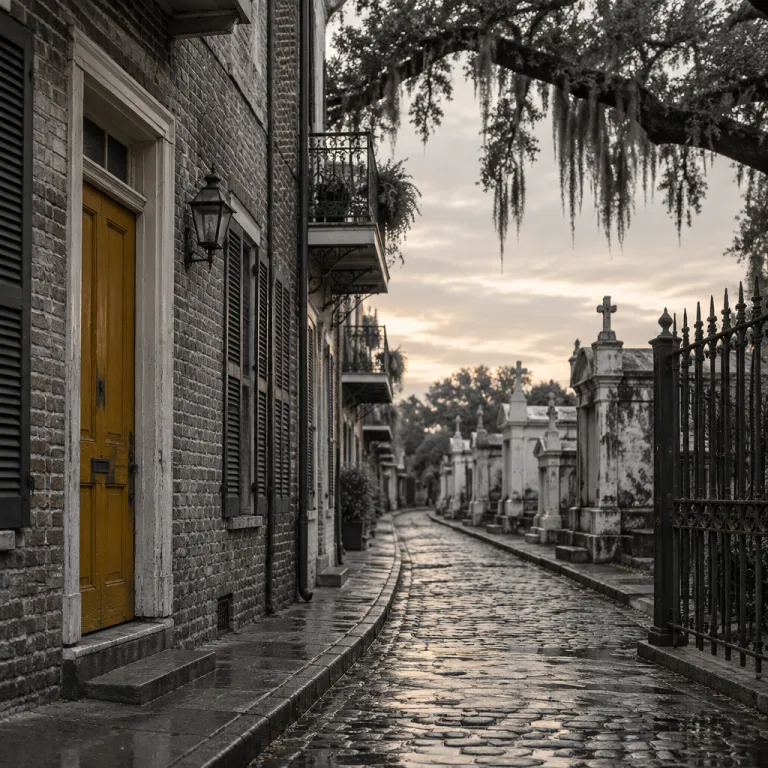
Why New Orleans feels like a haunted city before you even check in
Ask why is New Orleans so haunted and locals rarely hesitate. The city in Louisiana sits below sea level, wrapped by water and history, which shapes how people here talk about life and death. Walk a few hundred metres from your hotel and you will already feel how this haunted city folds the past into the present.
New Orleans is one of the only American cities where French, Spanish and American flags have all flown over the same streets, and that layered rule left scars as well as beauty. This complex French Spanish and American heritage created a unique legal system, a distinct Catholic and voodoo blend of beliefs, and a culture that treats cemeteries almost like neighbourhood parks. When you start reading the haunted history of the city, you see how every shift in power, every fever epidemic and every civil war skirmish added another chapter to the ghost stories guests hear on modern ghost tours.
For travellers choosing a hotel, this means your base is never just a place to sleep. Many historic buildings in the French Quarter, Faubourg Marigny and the Garden District are considered haunted by staff who have worked there for decades. As one long serving receptionist in the Quarter put it, “We check people in, but the building keeps its own guest list.” When you ask reception about a late night noise or a flickering light, you are as likely to hear a family story about a resident ghost as a technical explanation.
The French Quarter’s haunted reputation and what it means for your stay
The French Quarter is the heart of New Orleans haunted lore, and it is also where many visitors book their first stay in the city. Cobblestone streets, wrought iron balconies and tightly packed buildings create an acoustic chamber where every footstep and carriage wheel echoes like a whisper. When you join one of the evening ghost tours or a self guided route, you quickly understand why the French Quarter is considered haunted by so many people.
Jackson Square, once a colonial parade ground and site of public punishments, now hosts painters and street musicians by day, yet guides still lower their voices when they share its darker history. They talk about executions, duels and the way yellow fever epidemics turned this elegant square into a place of fear, and those stories linger in your mind when you walk back to your hotel at night. If you prefer to explore at your own pace, many properties now provide maps for hotel based self guided walking tours in New Orleans that trace both architectural highlights and paranormal legends.
Choosing a room in or near the French Quarter gives you immediate access to this haunted history without long transfers. You can step out after dinner for a late ghost tour, then be back in your bed within minutes, listening to the city settle around you. For some guests, that proximity to the haunted reputation of the quarter is the main reason to stay here rather than in other American cities with less intense layers of memory.
From yellow fever epidemics to the civil war : how tragedy shaped a haunted city
New Orleans did not become a haunted city by accident ; its reputation grew from repeated tragedy. In the nineteenth century, waves of yellow fever epidemics swept through the city, killing thousands of people in a single season and leaving families shattered. When you hear guides mention yellow fever on a ghost tour, they are not using it as a dramatic prop but as a central part of the history of New Orleans.
These fever epidemics struck hardest in crowded neighbourhoods with poor drainage, where mosquitoes thrived in standing water between buildings. New arrivals from across America and Europe often died within months, and their hurried burials in above ground tombs helped create the iconic cemeteries that now feature on many tours of New Orleans. During the civil war, the city’s strategic port brought soldiers, prisoners and more suffering, adding another layer of restless stories to an already burdened landscape.
When you ask yourself why is New Orleans so haunted compared with another city in America, this concentration of loss is a major answer. Many American cities endured war or disease, but few experienced such repeated, dense waves of death in such a confined urban space. Modern ghost tours of New Orleans often weave these historical facts into their routes, and you can plan your preferred neighbourhoods and haunted highlights directly from your hotel using guides such as planning New Orleans ghost tours from your hotel.
The LaLaurie mansion, voodoo traditions and the city’s most chilling stories
No single address in New Orleans carries more weight in ghost stories than the LaLaurie mansion on Royal Street. This elegant French Quarter residence, once owned by Delphine LaLaurie, became infamous after reports of horrific abuse of enslaved people emerged, and its haunted reputation has never faded. Many ghost tours in the city America region structure their entire route around reaching this house at the most atmospheric moment of the night.
When you stand outside the LaLaurie mansion, guides often pause to let the silence work before they share the documented history of cruelty inside its walls. They explain how the building changed hands, how some owners refused to live there because they considered it haunted, and how others tried to erase its past with renovations and new façades. For hotel guests who enjoy intense paranormal experience moments, this stop can be the emotional peak of an evening tour.
Voodoo traditions also shape why is New Orleans so haunted in the popular imagination, though responsible guides distinguish between respectful spiritual practice and sensational myths. Shops and museums in the French Quarter explain how voodoo blended West African beliefs with Catholic saints, and how practitioners honour ancestors rather than chase ghosts. When you return to your hotel after such a tour, you may find that the line between religious ritual, paranormal folklore and haunted history feels more nuanced than it did when you first arrived in New Orleans.
Curated walking tours, ghost hunts and choosing the right hotel base
For travellers who want more than a standard ghost tour, curated walking tours and structured ghost hunts offer a deeper experience of New Orleans haunted heritage. Some operators limit group sizes, use professional audio equipment and focus on primary source documents, which appeals to guests who value historical accuracy as much as paranormal thrills. When you are booking a hotel, it is worth checking whether the concierge has partnerships with such tours of New Orleans, because that can secure priority access during busy evenings.
Many curated tours or ghost hunts start in or near the French Quarter, then branch into less visited streets where the city’s haunted history feels more intimate. You might explore residential blocks where yellow paint still clings to old wooden façades, or step into courtyards where people once sheltered from fever epidemics and civil unrest. Guides often highlight how these modest buildings, rather than only grand mansions, hold the everyday ghost stories that shaped how New Orleans is considered haunted across America.
When selecting your base, think about whether you want to walk to evening tours or prefer a short ride back after midnight. Properties near Jackson Square and the riverfront suit guests who plan multiple ghost tours, while hotels in quieter districts offer a softer landing after intense paranormal experience outings. If food is also a priority, you can combine your interest in haunted routes with a stay near excellent seafood restaurants by using resources such as this guide to staying near the best seafood restaurants in New Orleans, then layering ghost themed evenings onto your culinary plans.
How New Orleans hotels embrace, manage or sidestep their haunted reputation
Not every hotel in New Orleans advertises itself as part of a haunted city, yet almost every long serving staff member has a story. Some historic properties in the French Quarter and Central Business District lean into their haunted reputation with themed rooms, late night ghost stories in the lobby and partnerships with local ghost tours. Others, especially in newly built towers, prefer to emphasise modern comfort and let guests seek paranormal experience moments elsewhere in the city.
When you research why is New Orleans so haunted, you will notice that certain addresses appear repeatedly in guidebooks and online forums. These hotels often occupy converted warehouses, former hospitals or grand nineteenth century buildings that survived both yellow fever and the civil war, and guests report unexplained footsteps, flickering lights or the faint smell of cigar smoke in non smoking corridors. Front desk teams in such places usually have a protocol for handling reports of a resident ghost, balancing respect for guests’ feelings with practical checks of plumbing, electrics and security cameras.
If you prefer a quieter night, you can still stay close to the action without sleeping in a property that is widely considered haunted. Look for modern buildings on the edge of the French Quarter or in the Warehouse District, where you can walk to Jackson Square, join evening ghost tours and then retreat to a room that feels firmly anchored in the present. This approach lets you enjoy the haunted history or haunted stories of New Orleans on your own terms, rather than feeling immersed in it every minute of your stay.
Planning your haunted New Orleans itinerary from check in to check out
Once you have chosen a hotel, you can shape a balanced itinerary that answers your own version of why is New Orleans so haunted. Start with a daytime history or architecture tour of New Orleans to understand the French, Spanish and American layers of the city before you add ghost tours at night. This sequence helps you see how real events, from yellow fever epidemics to the civil war occupation, created the conditions for later ghost stories.
On your first evening, consider a classic group ghost tour that covers major landmarks such as Jackson Square, the LaLaurie mansion and key alleys in the French Quarter. On the second night, you might book a smaller group ghost hunt that uses simple equipment to explore whether any paranormal experience can be measured or recorded in specific buildings. By the third night, many guests feel confident enough to create their own walking route, revisiting streets that felt particularly atmospheric and pausing to imagine how people in earlier centuries experienced the same corners of the city.
Throughout your stay, remember that New Orleans is not only a haunted city but also a living community where families work, study and relax. Treat cemeteries, voodoo shops and historic homes with the same respect you would offer in any other city in America, and ask permission before photographing private spaces. When you leave, you may find that the answer to why New Orleans is considered haunted lies less in jump scares and more in the way this city refuses to forget any part of its own story.
Key figures behind New Orleans’ haunted reputation
- New Orleans recorded more than 40 major yellow fever outbreaks in the nineteenth century, a concentration that helped cement its haunted reputation compared with other American cities (data referenced by the Centers for Disease Control and Prevention ; see CDC historical yellow fever summaries).
- Some estimates suggest that yellow fever killed over 40 000 people in New Orleans across that century, a scale of loss that still shapes ghost stories and memorial practices in the city (historical analyses by Tulane University’s School of Public Health and Tropical Medicine).
- The French Quarter covers roughly 0,5 square kilometres, yet it contains more than 700 historically significant buildings, many of which feature in ghost tours because of documented deaths, fires or crimes (figures from the Vieux Carré Commission’s published inventories).
- Tourism reports from the New Orleans tourism office indicate that themed ghost tours and haunted history walks account for a significant share of evening tour bookings, with some operators running up to six departures per night in peak seasons (as summarised in annual visitor statistics).
- Visitor surveys show that a notable proportion of first time guests choose to stay in or near the French Quarter specifically because of its haunted reputation, not only for its music and dining scenes (summary data reported by local hospitality associations and hotel partners).
FAQ about haunted New Orleans stays and ghost tours
Is New Orleans really more haunted than other American cities ?
New Orleans is often described as more haunted than many other American cities because of its dense history of war, slavery, yellow fever epidemics and unique burial practices. Whether you believe in ghosts or not, the concentration of tragic events in a compact urban area has produced an unusually rich body of ghost stories. This combination of documented history and enduring folklore makes the city feel more intensely haunted to many visitors.
Which neighbourhood is best for a haunted themed hotel stay ?
The French Quarter is the most popular neighbourhood for guests who want a haunted themed stay, because many ghost tours start there and several historic hotels have their own legends. Areas near Jackson Square and Royal Street place you close to major haunted landmarks such as the LaLaurie mansion. If you prefer quieter nights, the Warehouse District or Faubourg Marigny offer easier access to tours with fewer reports of resident ghosts in the buildings themselves.
Are ghost tours in New Orleans suitable for children ?
Many ghost tours in New Orleans welcome older children, but content and intensity vary widely between operators. Some focus on historical storytelling with minimal graphic detail, while others emphasise darker aspects of crime, slavery and disease that may be unsettling. When booking from your hotel, ask the concierge or the tour company directly about age recommendations and the tone of their stories.
Do New Orleans hotels charge extra for haunted or historic rooms ?
Some historic hotels in New Orleans do apply premium pricing to specific rooms with strong views, notable architecture or famous ghost stories attached. Others treat all rooms in a historic building the same, regardless of whether guests have reported paranormal experience moments there. If staying in or avoiding a reputedly haunted room matters to you, mention this preference when you book or at check in.
Can I explore haunted sites on my own without a guided tour ?
Yes, many haunted sites in New Orleans, such as streets in the French Quarter and public squares, can be explored independently during normal opening hours. However, some cemeteries and private buildings require guided access for safety and preservation reasons, so you should check local rules before visiting. Using hotel provided maps or reputable self guided walking resources helps you respect both residents and historic properties while still engaging with the city’s haunted history.