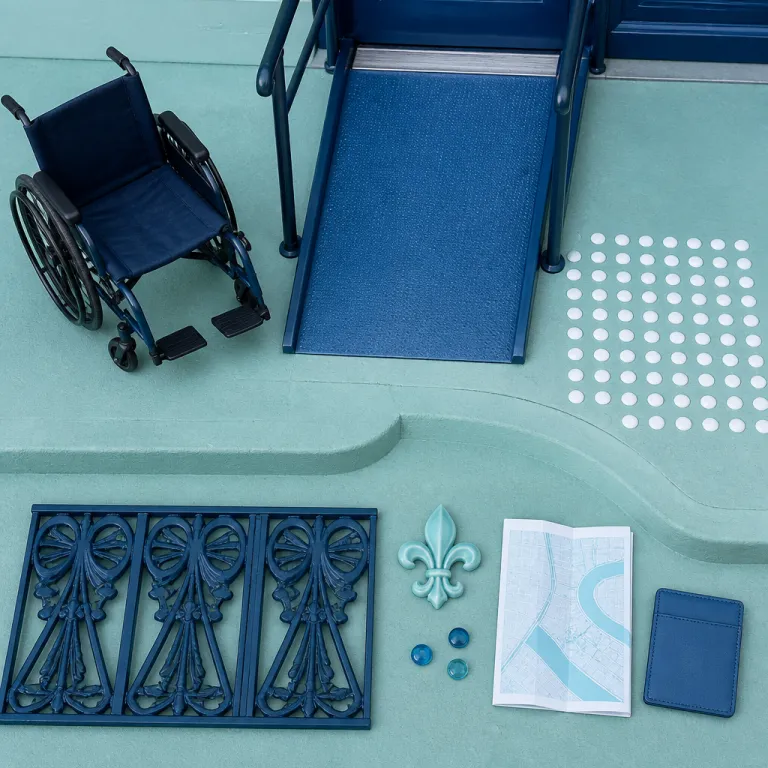
Accessible walking in the French Quarter and along the Mississippi River
The most rewarding accessible things to do in New Orleans often begin in the historic French Quarter. This compact part of the city offers relatively short distances, so wheelchair users and other disabled travellers can enjoy accessible walking routes without exhausting transfers. With careful planning around pavement conditions and curb cuts, you can move from your hotel to the riverfront in a manageable amount of time.
Many streets in this quarter of the city are paved with uneven stones, yet key areas such as Jackson Square, the cathedral forecourt, and the riverside promenade are more wheelchair friendly. When you plan accessible travel in this part of New Orleans, focus on routes that link your hotel entrance to accessible cafés, museums, and public restrooms. Several ramps and level entrances are located around Jackson Square and along the Moonwalk, giving wheelchair users direct access to views of the Mississippi River and the passing riverboats.
For visitors comparing options across North America, the compact scale of this Louisiana destination makes accessible walking more realistic than in many larger cities. The riverfront path beside the Mississippi River offers one of the most relaxing accessible things to do in New Orleans, with benches, smooth surfaces, and wide turning radiuses. When you choose a New Orleans hotel located near the river or the French Quarter, you reduce transport needs and increase the number of accessible experiences within a short roll or stroll.
Planning accessible travel from your hotel in the heart of the city
Choosing the right hotel will shape how many accessible things to do in New Orleans you can realistically enjoy. Properties located near the French Quarter or the Central Business District place you close to accessible walking routes, public transport stops, and wheelchair accessible taxis. Before you book, request detailed accessibility information about entrances, lifts, roll in showers, and the distance from the lobby to the nearest curb ramp in the surrounding areas.
Travellers focused on accessible travel in this part of Louisiana should ask the hotel about step free routes to Jackson Square, Bourbon Street, and the riverfront. Some hotels in the city of New Orleans maintain updated accessibility guides that list wheelchair friendly restaurants, museums, and parks within a radius of about one kilometre. To design a refined stay that balances rest and exploration, you can use a resource such as a five day New Orleans itinerary built around your hotel and then adapt each day to your own mobility needs.
When you compare options across the United States, you will notice that New Orleans accessible rooms often include wider doorways and grab bars, but bathroom layouts still vary. Ask for precise measurements in centimetres, photographs of the room, and confirmation that the path from the drop off point to reception is fully wheelchair accessible. A practical checklist includes door width, bed height, roll in shower dimensions, and whether emergency pull cords are installed. By clarifying these details in advance, you transform the Big Easy from a challenging destination into an accessible New Orleans base for exploring culture, food, and history.
Curated accessible walking tours and ghost hunts from your hotel doorstep
Among the most atmospheric accessible things to do in New Orleans are curated walking tours and ghost hunts that start near major hotels. Specialist operators in the French Quarter design routes that minimise cobblestones, avoid steep kerbs, and prioritise wheelchair friendly pavements and ramps. When you book, specify whether you use a manual wheelchair, power chair, or mobility scooter, because turning space and surface type can affect your comfort.
Several accessible walking experiences in the city of New Orleans combine history, architecture, and gentle ghost stories rather than intense jump scares. Guides who understand accessibility issues will point out smoother crossings, quieter side streets, and accessible restrooms during the tour, which reduces anxiety for disabled guests. If you prefer to stay close to your hotel, you can choose an operator whose meeting point is located within a few hundred metres of your lobby, so you conserve energy for the actual route.
For a broader overview of options near central accommodation, consult a resource such as things to do near your hotel including walking tours and ghost hunts. These curated experiences often pass landmarks like Jackson Square, Royal Street galleries, and even quieter corners just off Bourbon Street, where pavements can be slightly smoother. When operators advertise their experiences as wheelchair accessible, always confirm details such as group size, rest stops, and whether the guide has experience supporting wheelchair users in crowded New Orleans streets.
Wheelchair friendly museums, the war museum, and cultural highlights
Cultural attractions rank highly among accessible things to do in New Orleans, especially for travellers seeking climate controlled spaces and reliable lifts. The National WWII Museum, often called the war museum by locals, is one of the most wheelchair friendly institutions in the United States. Its campus in the Warehouse District is fully wheelchair accessible, with ramps, spacious lifts, companion seating in theatres, and accessible restrooms on each level.
Beyond the war museum, several other museum options in the city of New Orleans offer strong accessibility standards for disabled visitors. Many are located within a short taxi ride or accessible walking distance from central hotels, including art museums and smaller cultural centres. When planning accessible travel, check each museum website for accessibility statements, then email to confirm details such as tactile exhibits, captioned films, and quiet rooms for sensory breaks.
Compared with some older cities in North America, this part of Louisiana has invested steadily in cultural accessibility, especially in major institutions. You will find that museum staff are generally familiar with assisting wheelchair users, arranging loaner chairs, or guiding visitors along the most accessible routes between galleries. For hotel guests who prefer shorter outings, combining one museum visit with a relaxed meal at nearby restaurants creates a balanced day that respects both energy levels and accessibility needs.
Accessible food, cafés, parks, and riverfront views
Food is central to the character of the Big Easy, and many culinary experiences count among the most enjoyable accessible things to do in New Orleans. Around the French Quarter and Central Business District, you will find a growing number of wheelchair friendly restaurants with level entrances or portable ramps. When you reserve, ask for a table with enough clearance for a wheelchair and confirm that the restroom is fully wheelchair accessible, not just reachable by ramp.
One of the most iconic stops is Café du Monde, often written as cafe monde in search queries, which sits just off Jackson Square near the river. The outdoor seating area offers flexible space for wheelchair users, though it can be crowded at peak times, so visiting early in the day usually provides a calmer experience. For travellers who prioritise seafood and local flavours, you can consult a guide such as staying near the best seafood restaurants in New Orleans and then cross check which venues offer strong accessibility features.
Green spaces also play a role in accessible New Orleans itineraries, with several park options offering paved paths and shade. Woldenberg Park along the Mississippi River is especially popular with wheelchair users because of its wide, mostly smooth paths and open views. By choosing a hotel located within a short roll of the riverfront, you gain easy access to one of the most relaxing and genuinely accessible experiences in the entire city.
Bourbon Street, Mardi Gras, and timing your accessible visit
Many visitors associate accessible things to do in New Orleans with nightlife on Bourbon Street, yet this famous strip can be challenging for wheelchair users. Pavements are often crowded, surfaces can be uneven, and kerbs may lack consistent ramps, especially during peak seasons. If you wish to experience the atmosphere, consider visiting earlier in the evening or during quieter months, when navigating New Orleans becomes less stressful.
Mardi Gras brings a unique mix of spectacle and complexity for disabled travellers, as parades transform central areas into dense crowds. Some accessible travel specialists recommend booking grandstand seating or hotel balconies along parade routes, which can provide safer, more controlled viewing spaces. When planning your visit, discuss with your hotel whether they offer accessible viewing options, step free access to any terraces, and clear routes back to your room after events.
Timing matters throughout the year in this part of Louisiana, because heat and humidity can affect comfort for wheelchair users and other disabled guests. Early morning and late afternoon often provide the best conditions for accessible walking, especially along the riverfront and through the more shaded streets of the French Quarter. By aligning your schedule with cooler hours and quieter streets, you will experience a more genuinely accessible New Orleans stay that balances celebration with comfort and safety.
Key figures on accessibility and travel in New Orleans
- The National WWII Museum reports more than two million visitors annually, and its accessibility investments include multiple lifts, companion seating, and wheelchair loans, making it one of the most visited and most accessible museums in Louisiana.
- According to the New Orleans Regional Transit Authority, all city buses are equipped with ramps or lifts and priority seating, which significantly expands accessible travel options for visitors staying beyond the French Quarter.
- Tourism data from New Orleans & Company indicate that millions of visitors arrive each year, and a growing share of marketing materials now highlight accessibility features, reflecting increased demand from disabled travellers across North America.
- Studies from the World Health Organization estimate that around 16 percent of the global population lives with a significant disability, which underscores why accessible things to do in New Orleans are central to the city’s long term tourism strategy.
FAQ about accessible things to do in New Orleans
Is the French Quarter wheelchair accessible for first time visitors ?
The French Quarter offers a mix of accessible and challenging streets, with smoother routes around Jackson Square, the cathedral, and the riverfront, but more uneven pavements on some side streets. Wheelchair users should plan routes in advance, focus on main corridors, and consider staying in a hotel located near the river or Canal Street to minimise difficult surfaces. Many kerbs now have ramps, yet checking conditions with recent traveller reviews remains wise.
Which museums in New Orleans are best for disabled travellers ?
The National WWII Museum is widely regarded as the most comprehensive option for disabled visitors, with full wheelchair access, lifts, and companion seating. Other major museums in the Warehouse District and along Canal Street also provide ramps and accessible restrooms, though specific features vary. Before your visit, review each museum’s accessibility statement and email staff with any detailed questions about mobility, sensory needs, or service animals.
Can I join a ghost tour or walking tour as a wheelchair user ?
Yes, several operators in the city of New Orleans offer curated accessible walking tours and ghost hunts that are designed for wheelchair users. These routes typically avoid steep kerbs, focus on smoother pavements, and include regular rest stops and accessible restroom breaks. When booking, confirm the exact route, group size, and whether the guide has experience supporting disabled guests in busy areas such as Bourbon Street.
How accessible is public transport in New Orleans for hotel guests ?
City buses operated by the Regional Transit Authority are generally wheelchair accessible, with ramps or lifts and priority seating. Some streetcar lines offer accessible vehicles, but not every stop has a level boarding platform, so you should check current information before relying on them. Many hotel concierges can help you identify the most accessible routes or arrange wheelchair friendly taxis when public transport is not practical.
When is the best time for disabled travellers to visit New Orleans ?
Cooler months usually offer more comfortable conditions for accessible walking, as heat and humidity can be intense in summer. Outside the peak of Mardi Gras, pavements and attractions are less crowded, which makes navigation easier for wheelchair users and other disabled visitors. Early mornings and late afternoons are often the most pleasant times of day for exploring the French Quarter, riverfront parks, and nearby museums.