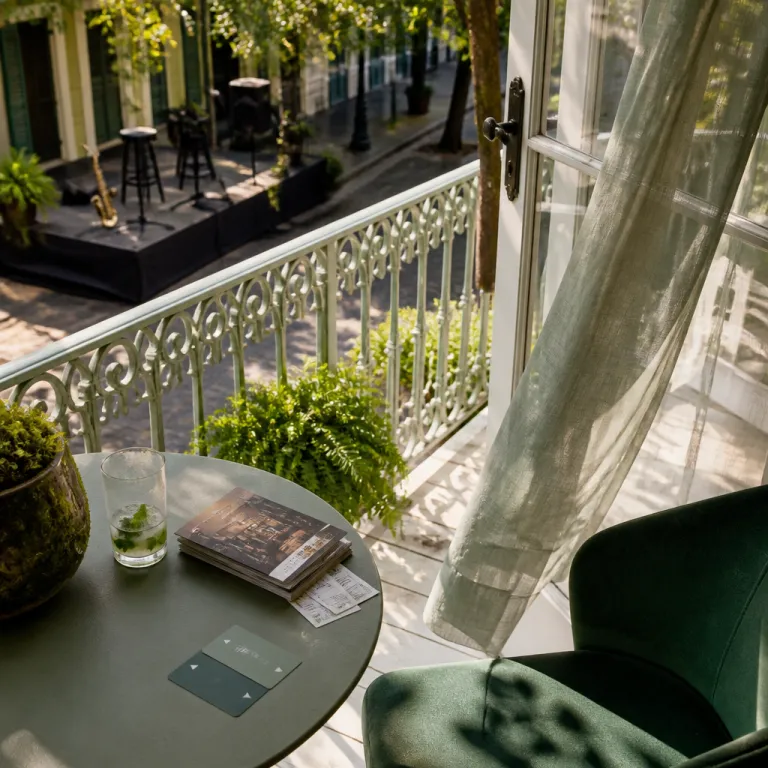
Choosing the right area in the city for nightlife
Where you stay in New Orleans shapes every night you spend. For a refined New Orleans nightlife guide, start by deciding whether you want the high-energy buzz of the French Quarter or the calmer charm of the Garden District. Each part of the city offers a different balance of live music, memorable food, and late-night options.
Guests who want to step straight from hotel lobby to bar often choose a place near Bourbon Street in the heart of the French Quarter. This part of New Orleans is dense with bars, cocktail lounges, and live music venues, so you can walk from one street corner performance to another without needing a car. If you prefer quieter nights and leafy avenues, a stay in the Garden District gives you elegant houses, local restaurants, and easy streetcar access back to the Quarter when you feel like a drink.
Many first-time visitors ask whether Bourbon Street or Frenchmen Street offers the best experience. Bourbon Street is louder, brighter, and focused on party bars New Orleans style, while Frenchmen Street is more about live music and a strong local crowd. For most hotel guests, the smartest strategy is to sleep within or just beside the French Quarter, then use taxis or the St. Charles streetcar to reach the Garden District and other neighbourhoods for a calmer night.
French Quarter evenings from your hotel doorstep
Staying in or near the French Quarter places you inside the most famous nightlife district of the city. This New Orleans nightlife guide would be incomplete without explaining how easily you can walk from your hotel to a bar, a house of live jazz, or a late-night restaurant. The compact Quarter layout means you can safely find several venues in one evening while keeping your hotel within a few hundred metres.
Bourbon Street is the headline act, with neon lights, balcony parties, and a constant flow of music from open doors. Here you will pass everything from simple dive bars serving strong cocktail specials to larger houses with multiple floors of live music and bar food. Many visitors enjoy starting the night on Bourbon Street for the atmosphere, then slipping into a quieter wine or cocktail bar on a side street for a good drink and conversation.
Beyond Bourbon Street, the French Quarter hides some of the city’s most historic venues. Napoleon House at 500 Chartres Street offers a graceful courtyard, classical music, and a menu of local food that suits guests who want a calmer night in a beautiful old house. Nearby, the Old Absinthe House at 240 Bourbon Street and Lafitte’s Blacksmith Shop bar at 941 Bourbon Street combine history with strong cocktails, giving you a top list of options within a short walk of many hotels. Choosing a place close to these landmarks lets you enjoy New Orleans nightlife without worrying about long late-night journeys back.
Essential streets and venues for live music lovers
New Orleans is defined by music, and hotel guests often plan their stay around where they can hear the best live performances. Any serious New Orleans nightlife guide must highlight how Frenchmen Street, Bourbon Street, and nearby lanes each offer a different style of live music experience. With dozens of dedicated live music venues across the city, you can listen to jazz, blues, funk, and brass bands every night of your stay.
Frenchmen Street, just beyond the French Quarter, is the favourite place for many local musicians and residents. Here you will find a dense row of bars, small clubs, and houses converted into venues, each with its own band playing live music most nights. Compared with Bourbon Street, the bars on Frenchmen Street focus more on the quality of the music and less on flashy drink promotions, which suits guests who want to sit, listen, and enjoy a well-made cocktail.
Within the French Quarter itself, Lafitte’s Blacksmith Shop and the Old Absinthe House often feature piano players or small groups, while Napoleon House leans toward classical and traditional sounds. On Bourbon Street, larger bars New Orleans style host cover bands and dance music, creating a louder, more crowded scene that some guests love and others prefer to visit only briefly. Whichever street you choose, remember that some bars have cover charges for live music, especially during peak night hours, so keep some cash or a mobile payment app ready.
Historic bars, cocktails, and late night drinks
For many hotel guests, the romance of New Orleans nightlife lies in its historic bars and signature cocktails. This New Orleans nightlife guide encourages you to balance modern mixology with classic houses that have served drinks for generations. The combination of French, Spanish, and American influences gives the city a unique bar culture that rewards slow exploration.
Lafitte’s Blacksmith Shop on Bourbon Street is often described as one of the oldest bars in the United States. The low-lit interior, stone walls, and simple bar food create an atmosphere that feels far removed from the louder bars further along the street. A short walk away, the Old Absinthe House and Arnaud’s French 75 bar at 813 Bienville Street offer refined cocktail lists, including drinks built around absinthe and Champagne, which appeal to guests seeking a more elegant night.
Pat O’Brien’s, often shortened to Pat O’Brien by visitors, is famous for its Hurricane cocktail and lively courtyard with a flaming fountain. Here you can enjoy live music on duelling pianos while sharing bar food platters with friends from your hotel. Many travellers create their own top list of favourite places, moving from a classic bar in the Quarter to a quieter house in the Garden District, then ending the night with a final drink at a late-night spot close to their room.
Planning around Mardi Gras and seasonal nightlife
Hotel guests visiting during Mardi Gras or major festivals need a more strategic New Orleans nightlife guide. The city’s population swells dramatically, and the French Quarter, Bourbon Street, and nearby areas become dense with parades, costumes, and street parties. Booking a place early and choosing the right house or hotel location can mean the difference between effortless fun and exhausting crowds.
During Mardi Gras, many streets in the Quarter close to traffic, turning the area into a pedestrian zone filled with music and colour. If your hotel sits directly on Bourbon Street, expect constant noise late into the night, which some guests love and others find overwhelming. Those who prefer a balance often stay just outside the French Quarter or in the Garden District, then walk or take transportation services into the centre for specific parades and parties.
Outside the Mardi Gras season, nightlife follows a more predictable rhythm. Local tourism data and city visitor reports show that evenings typically move from happy hour to dinner, then to live music and late-night entertainment, with after-hours venues operating well past midnight. For hotel guests, this means you can plan an early drink in a quiet wine bar, enjoy food at a respected house like Napoleon House, then finish with live music on Frenchmen Street without feeling rushed.
Safety, comfort, and practical tips for hotel guests
Enjoying New Orleans after dark is easier when you combine this New Orleans nightlife guide with a few practical habits. The city welcomes large numbers of visitors each year for nightlife alone, so you will rarely feel isolated on main streets. Still, simple precautions help you focus on the music, food, and drink rather than logistics.
Stay in well-lit areas, especially when walking between your hotel and a bar late at night. Use reputable transportation services or licensed taxis when returning from Frenchmen Street, the Garden District, or more distant dive bars, particularly after you have enjoyed several cocktails. Keep personal belongings secure in crowded places like Bourbon Street, where the mix of live music, street performers, and bars New Orleans style can make it easy to become distracted.
Visitors often ask about local rules before ordering their first drink. What is the legal drinking age in New Orleans? The legal drinking age in New Orleans is 21 years old; some bars have cover charges, especially for live music; and public drinking is allowed in plastic containers within certain areas. Many hotels now provide access to local event guides and mobile apps, helping you find a good place for live music, a quiet cocktail bar for a final drink, or a late-night house serving reliable bar food near your room.
Key figures shaping New Orleans nightlife
- The city hosts dozens of dedicated live music venues, according to the New Orleans Tourism Board and city visitor information, giving hotel guests an exceptional density of options within a compact urban area.
- Hundreds of thousands of visitors travel to New Orleans each year primarily for nightlife, which supports local bars, restaurants, and houses throughout the French Quarter and beyond.
- Nightlife typically peaks between 23:00 and 01:00, with late-night and after-hours venues extending activity well into the early morning for guests who want longer evenings.
- Key streets such as Bourbon Street and Frenchmen Street concentrate dozens of bars and live music rooms within walking distance, reducing the need for long taxi rides from central hotels.
FAQ: practical questions for hotel guests
What is the legal drinking age in New Orleans?
The legal drinking age in New Orleans is 21 years old, and bars will usually check identification, especially in busy areas like Bourbon Street and the French Quarter. Hotel guests should carry a passport or government-issued ID when planning a night of cocktails and live music. Without valid identification, even adults may be refused service in many bars.
Do bars charge a cover for live music?
Some bars have cover charges, especially for live music, while others rely on drink sales and tip jars for musicians. In the French Quarter and on Frenchmen Street, it is common to pay a modest fee at the door for popular bands or late-night sets. Always check the sign at the entrance or ask staff before you settle at a table.
Is public drinking allowed in the French Quarter?
Public drinking is allowed in plastic containers within certain areas, including much of the French Quarter. Many bars will pour your drink into a plastic cup if you say you plan to walk along the street. Glass containers are generally not permitted outside, so follow staff guidance to avoid problems.
How late do bars usually stay open?
In central New Orleans, especially around Bourbon Street and Frenchmen Street, many bars stay open until at least 02:00, with some operating 24 hours. Live music often runs until around 01:00, after which venues may shift toward recorded music and a more relaxed atmosphere. Hotel guests who prefer quieter nights should request rooms facing away from busy streets when booking.
Which neighbourhood is best for a quieter stay with nightlife access?
The Garden District and the edges of the French Quarter offer a good balance between calm streets and easy access to nightlife. From these areas, you can reach Bourbon Street, Frenchmen Street, and other central venues by streetcar, taxi, or a short walk. This arrangement lets you enjoy the energy of the city at night while returning to a more peaceful house or hotel room afterward.
Sources
- New Orleans Tourism Board
- Louisiana Office of Tourism
- City of New Orleans official visitor information