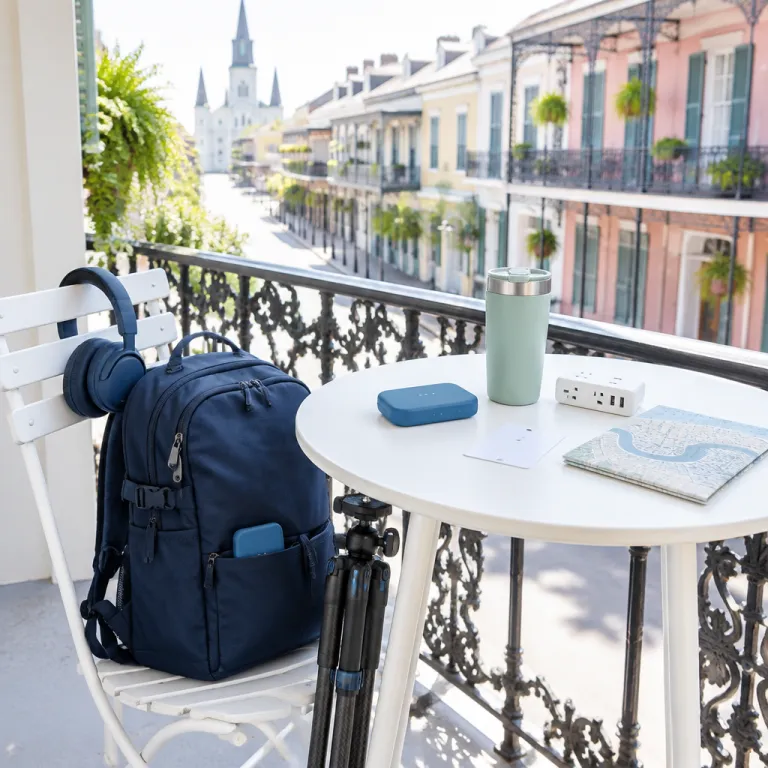
Why New Orleans belongs on every digital nomad short list
New Orleans is one of the few cities in the United States where work and pleasure genuinely blend. For a digital nomad who wants a serious base for remote work yet craves culture, this city offers a rare balance of productivity, music, and Creole hospitality. When you compare living in New Orleans with larger cities like New York or San Francisco, the cost of living and the slower rhythm of time can feel like a very good trade.
This New Orleans digital nomad guide focuses on hotel choices that support working remotely without sacrificing the character that makes the French Quarter and the Garden District so compelling. Many remote workers arrive for short travel breaks and end up staying full time because the city rewards curiosity, flexibility, and a willingness to work remotely from unexpected places. You will meet people from across the United States and from other cities worldwide, and many of these digital nomads quietly agree that New Orleans is one of the best places to test long term living.
For a nomad guide to feel useful, it must go beyond generic pros and cons and address real cost pressures, the realities of remote work, and the specific needs of digital nomads who rely on stable connections. In New Orleans, the cost-of-living equation is shaped by neighborhood, season, and how close you stay to major attractions like the French Quarter or the Garden District. This guide will help you evaluate hotels through a digital lens, so your working days stay efficient while your evenings remain great fun.
Tech ready hotels in the French Quarter and Garden District
Choosing the right hotel in the French Quarter is the first serious decision for any digital nomad planning to work remotely in New Orleans. Historic properties line the narrow streets, yet many have quietly upgraded their digital infrastructure to support remote workers who need at least a reliable 50 Mbps threshold for video calls. When you compare these hotels with options in the Garden District, you will notice different tradeoffs that affect both work and leisure.
In the French Quarter, some hotels now advertise dedicated coworking spaces or at least a well designed lobby that functions as a flexible coworking space during the day. For example, the Hotel Monteleone often delivers in-room Wi‑Fi tests in the 80–150 Mbps range, while the Royal Sonesta New Orleans provides multiple seating zones with strong connectivity and practical power outlets. These spaces attract digital nomads and remote workers who prefer to be in the heart of the city, where people watching between tasks becomes part of the daily rhythm. If you plan on working remotely full time, ask the hotel directly about average Wi‑Fi speeds in megabits per second and whether they guarantee a minimum, such as a clear 25–50 Mbps figure for each room.
The Garden District offers a different style of living in New Orleans, with tree lined streets and calmer nights that many nomads find good for focus. Several hotels here provide quiet lounges that effectively serve as coworking spaces, and some even reserve tables for guests who are working full time. The Pontchartrain Hotel, for instance, has relaxed common areas that many remote workers use as informal offices, and typical in-room speed tests often fall between 50 and 120 Mbps. When you weigh the tradeoffs between a French Quarter address and living in Orleans further uptown, remember that the best places for remote work are not always the most famous, but they are the ones where the digital details have been thoughtfully handled.
Connectivity, bandwidth and the realities of working remotely
For any digital nomad, connectivity is not a luxury; it is the backbone of daily work. New Orleans hotels that truly understand remote work will publish clear information about Wi‑Fi coverage, typical speeds, and whether wired connections are available in rooms. When you read this New Orleans digital nomad guide, treat bandwidth as seriously as you would treat safety or location.
Ask every hotel about their guaranteed minimum Mbps per room, not just peak speeds in public areas, because many digital nomads need stable upload rates for video meetings and cloud backups. Remote workers who are working remotely full time should also confirm whether the hotel network is segmented, which reduces the number of people on each access point and improves digital security. If you plan to work remotely from the pool or courtyard, verify that the signal extends to those best places, because some properties only prioritize coverage in the lobby or a single coworking space.
Compared with larger tech focused cities such as New York or San Francisco, New Orleans still has some gaps in infrastructure, yet the city is catching up quickly. According to the Speedtest Global Index for early 2024, average fixed broadband speeds in the New Orleans metro exceed 200 Mbps download, which gives hotels a solid foundation for upgrading internal networks. When you evaluate the tradeoffs of each property, remember that a slightly higher nightly room cost can be a good investment if it guarantees the digital stability that your work requires.
Coworking spaces and hotel partnerships across the city
Beyond hotel lobbies, New Orleans has a growing ecosystem of coworking spaces that cater to digital nomads and remote workers. Several properties in the French Quarter and the Garden District now offer day passes or discounted memberships at a nearby coworking space, which can transform your stay into a more structured working experience. This New Orleans digital nomad guide recommends asking about such partnerships when you compare hotels, because they often provide the best balance between privacy and community.
In the central business district, you will find modern coworking spaces with high digital capacity, ergonomic chairs, and meeting rooms that can be booked by the hour. Spaces like The Shop at the CAC on Camp Street and Launch Pad New Orleans on Girod Street typically offer weekday access from morning to early evening, with day passes in the $25–$35 range and monthly memberships starting around $250. They create a professional environment that many digital nomads miss when working remotely from hotel rooms. If you expect to work full time during your travel, a hotel within a ten to fifteen minute walk of a reliable coworking space can significantly improve your daily routine.
Some hotels go further and host their own small coworking spaces, with quiet zones, phone booths, and coffee service included in the nightly rate or in a modest daily fee. These arrangements are particularly good for nomads who prefer to work remotely in a familiar building rather than commute across the city. When you weigh the tradeoffs of each option, consider how much time you will realistically spend working, and choose the setup that keeps your digital workflow smooth without isolating you from the energy of living in Orleans.
Balancing cost of living, hotel rates and neighborhood character
New Orleans offers a more approachable cost of living than many coastal cities in the United States, yet hotel prices still vary sharply by neighborhood and season. If you are using this nomad guide to plan a longer stay, compare the total room cost of a central hotel with the combined cost of a slightly cheaper property plus daily transport. For many digital nomads, the best value comes from hotels that include strong Wi‑Fi, a functional desk, and access to coworking spaces in the base rate.
The French Quarter commands higher nightly prices, but it also reduces travel time to cafés, music venues, and meetings with local people who might become clients or collaborators. Typical nightly rates here often range from about $180–$260 in quieter months to $300 or more during major events. Living in Orleans closer to the Garden District or along the streetcar lines can lower your accommodation cost, with many midrange hotels between roughly $140 and $220 per night outside peak festival dates, while still keeping you well connected to the city core. To choose the best places for your budget, use a simple comparison list that weighs digital infrastructure, neighborhood noise, and the quality of spaces for working remotely.
Seasonality matters as much as geography, so align your stay with your work calendar and the city’s festival rhythm. For a detailed look at how weather, events, and hotel pricing interact, consult this guide to the best time to visit New Orleans for festivals, weather, and hotel timing. When you plan your travel with this level of precision, you will secure a hotel that supports both your digital nomad lifestyle and your financial comfort over time.
Tech innovations in Creole hospitality for remote workers
New Orleans hotels are quietly weaving digital innovation into traditional Creole hospitality, creating an environment where a digital nomad can feel both productive and warmly welcomed. Many properties now offer mobile check in, digital room keys, and app based concierge services that let you manage your stay while working remotely without interruption. These tools reduce friction for remote workers who often juggle client calls, travel logistics, and personal time in a single day.
Some hotels in the French Quarter and Garden District are experimenting with smart room controls, allowing guests to adjust lighting and temperature through digital interfaces that remember preferences over time. For people living in Orleans for several weeks, these features can make a room feel more like a personalized workspace than a temporary stop. When you compare cities across the United States, few combine this level of tech convenience with the sensory richness of New Orleans, where music from nearby streets still filters gently into your working hours.
Forward looking properties also host events for digital nomads and remote workers, such as evening meetups in the lobby or workshops on remote work best practices. These gatherings help nomads who work remotely full time to build local networks, share experiences of different coworking spaces, and trade tips on the best places for both work and leisure. Over time, such initiatives strengthen the city’s reputation as a serious yet soulful base for digital nomads who value both efficiency and human connection.
Choosing the right hotel for your digital nomad lifestyle
When you use this New Orleans digital nomad guide to select a hotel, start by clarifying how you actually work. If you are a digital nomad who spends most of the day on video calls, prioritize quiet rooms, clear minimum Mbps guarantees, and access to at least one reliable coworking space. For remote workers who split time between working remotely and exploring the city, proximity to cafés, parks, and the riverfront can be just as important as bandwidth.
Think carefully about your own checklist, including how much you value historic charm versus modern digital infrastructure. Some people prefer living in Orleans right inside the French Quarter, where the energy is intense but inspiring, while others choose the Garden District or nearby neighborhoods for a calmer base that still connects easily to the city center. In either case, the best places for a nomad guide style stay will combine strong Wi‑Fi, thoughtful workspaces, and staff who understand the needs of digital nomads from across the United States and beyond.
Finally, consider how long you plan to stay and whether you might shift from short travel to a more full time arrangement in New Orleans. As you compare room cost figures with your income from remote work, remember that a slightly higher nightly rate can be a good investment if it supports consistent productivity and a healthier work life balance. With the right hotel choice, your time in this city will feel less like a temporary trip and more like a sustainable chapter in your broader digital nomad journey.
Key statistics for digital nomads in New Orleans
- According to Speedtest Global Index data for 2024, average fixed broadband speeds in the New Orleans area exceed 200 Mbps download, which is sufficient for most remote work tasks including multiple simultaneous video calls.
- Numbeo cost of living indices for 2024 show that New Orleans is typically around 30–40% less expensive than New York City for overall living costs, which benefits digital nomads planning multi month hotel stays.
- Hotel analytics from STR reports in 2023 indicate that New Orleans occupancy rates peak during major festivals, with average daily rates rising by roughly 50–80% compared with off peak months, so remote workers should book early for those periods.
- Remote work surveys from Gallup in 2023 report that roughly 25–30% of full time employees in the United States work remotely at least part of the week, driving increased demand for hotel rooms with strong digital infrastructure.
- Local tourism reports from New Orleans & Company in 2023 highlight that more than 18 million visitors arrive annually, which sustains a diverse hotel market that increasingly caters to digital nomads and long stay remote workers.
FAQ about New Orleans for digital nomads booking hotels
Is New Orleans a good city for digital nomads who work full time ?
New Orleans is a good option for digital nomads who work full time, provided they choose hotels with strong Wi‑Fi and quiet rooms. The city offers a lower cost of living than many major United States hubs, plus a growing number of coworking spaces. For remote workers who value culture and community, the balance between work and lifestyle is often excellent.
Which neighborhoods are best for remote workers booking hotels ?
The French Quarter suits digital nomads who want to be in the center of the action and do not mind some noise. The Garden District and the central business district are better for people who prioritize calmer streets and easier access to modern coworking spaces. Each area has hotels that support working remotely, so the choice depends on your personal priorities and tolerance for nightlife.
What internet speed should I look for in a New Orleans hotel ?
Remote workers should look for hotels that can reliably provide at least 25–50 Mbps per person, which covers video calls, cloud backups, and general digital tasks. If you are a digital nomad handling large media files, aim for a higher minimum Mbps figure or consider a nearby coworking space with fiber connections. Always ask the hotel for recent speed test results rather than relying only on marketing claims.
How does the cost of living in New Orleans compare with other cities ?
Compared with cities like New York or San Francisco, New Orleans generally offers a more favorable cost of living, especially for food and entertainment. Hotel prices vary by season, with higher room cost during major festivals and lower rates in shoulder periods. For digital nomads, this means you can often secure high quality accommodation and good digital infrastructure without the premium prices of larger coastal cities.
Do New Orleans hotels offer special amenities for digital nomads ?
Many New Orleans hotels now provide strong Wi‑Fi, in room desks, multiple power outlets, and access to coworking spaces either on site or through local partnerships. Some properties also offer flexible housekeeping schedules and quiet hours that support working remotely across different time zones. When booking, ask specifically about amenities for remote workers to ensure the hotel aligns with your digital nomad needs.
Quick checklist for choosing a New Orleans hotel as a digital nomad: confirm room Wi‑Fi speeds (aim for 25–50 Mbps per person), ask about coworking access or partnerships, check noise levels by neighborhood, review desk and power outlet setup in rooms, compare typical nightly rates by season, and match your expected length of stay and work schedule with the hotel’s digital services.